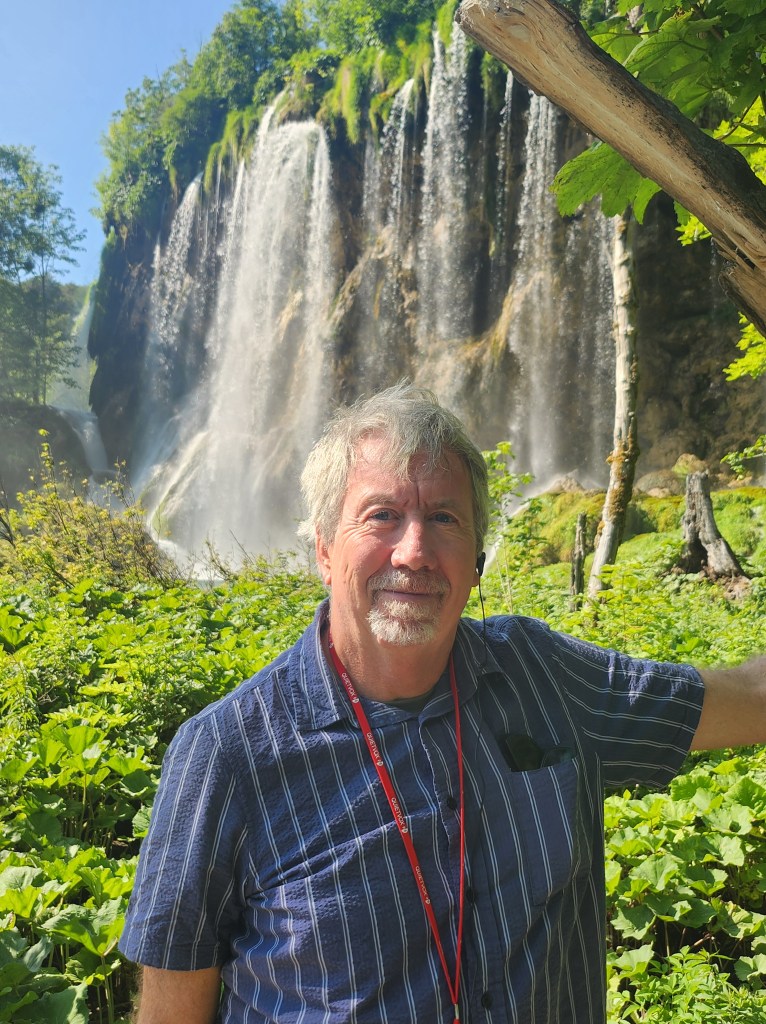
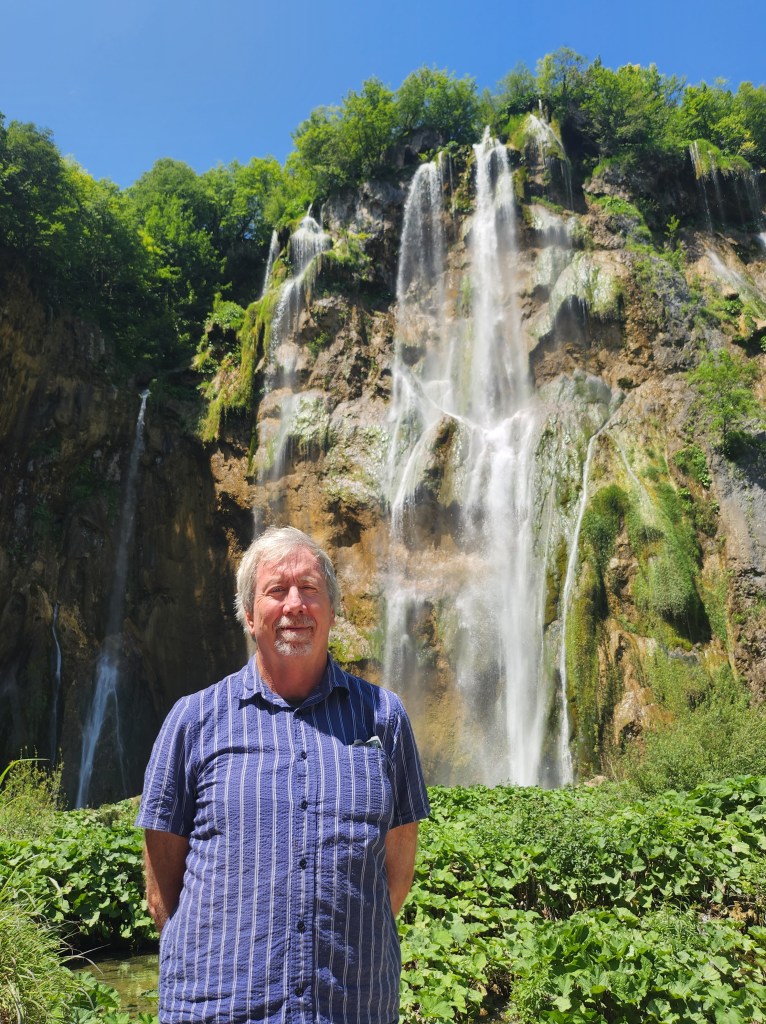
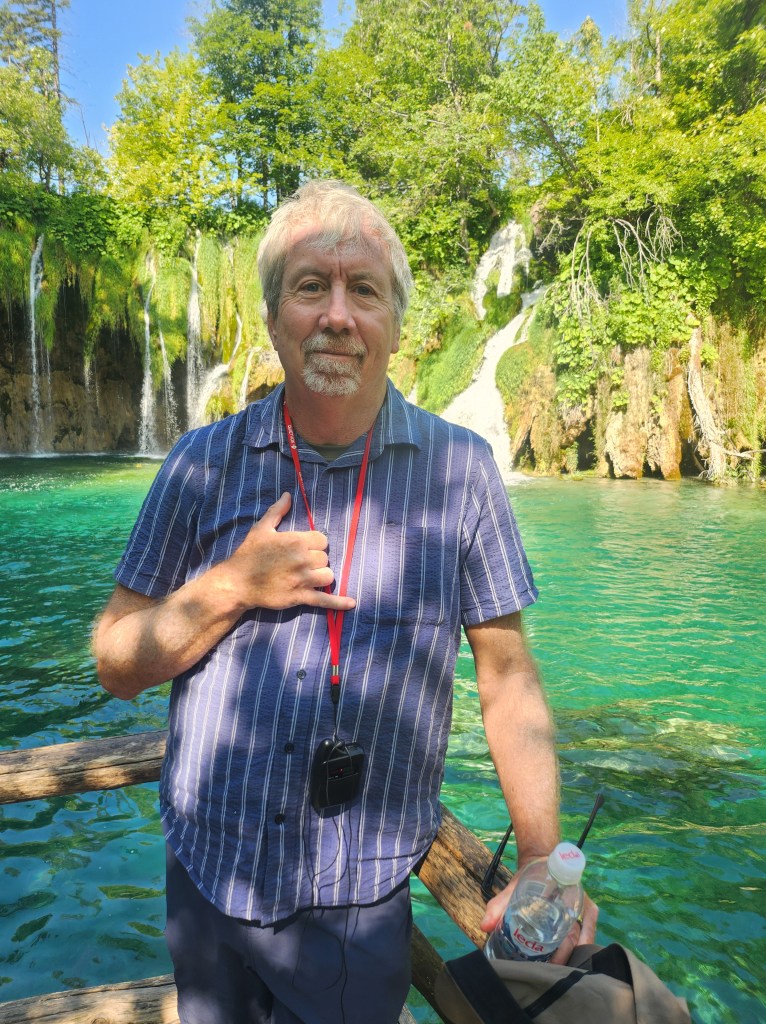
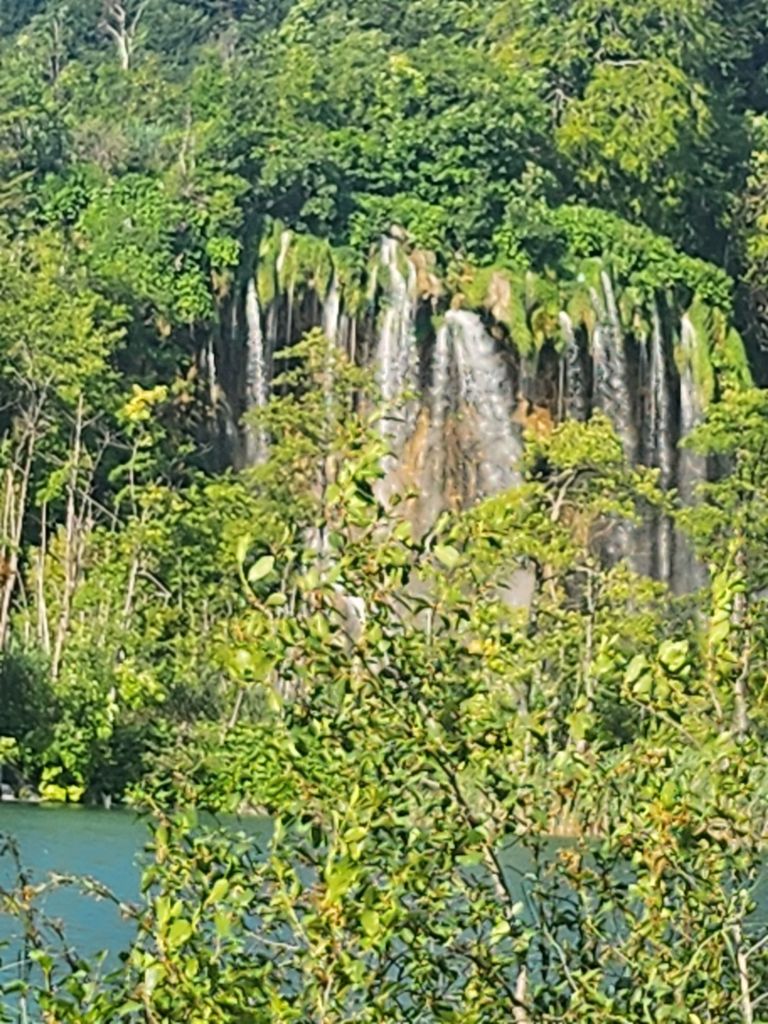
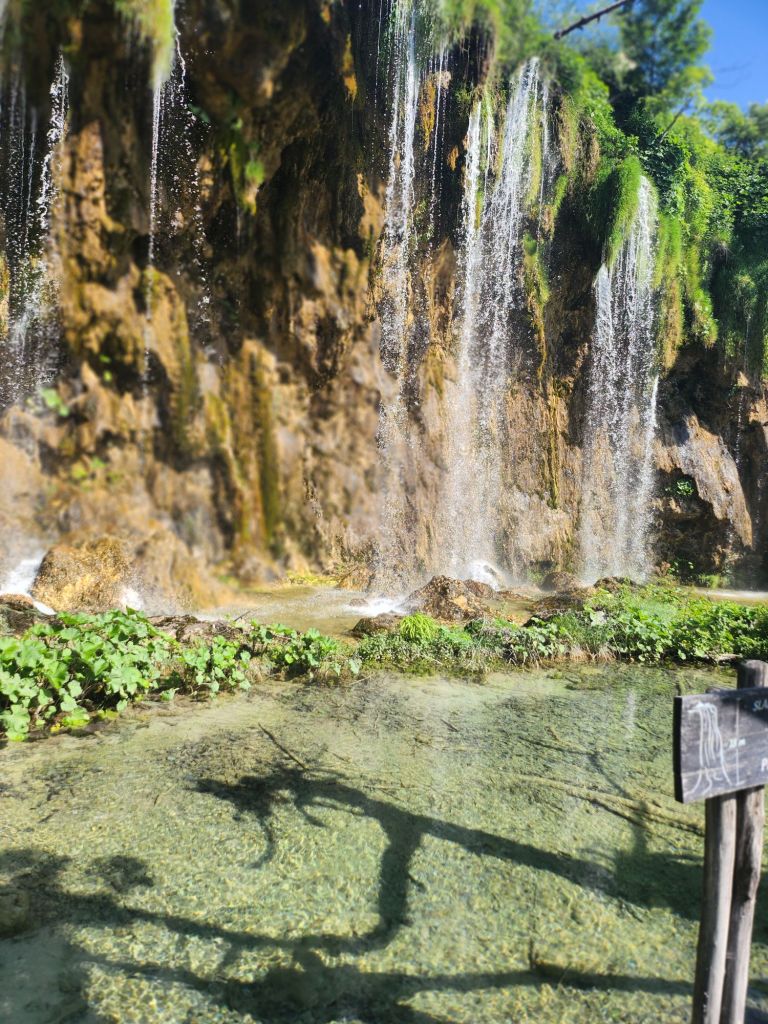
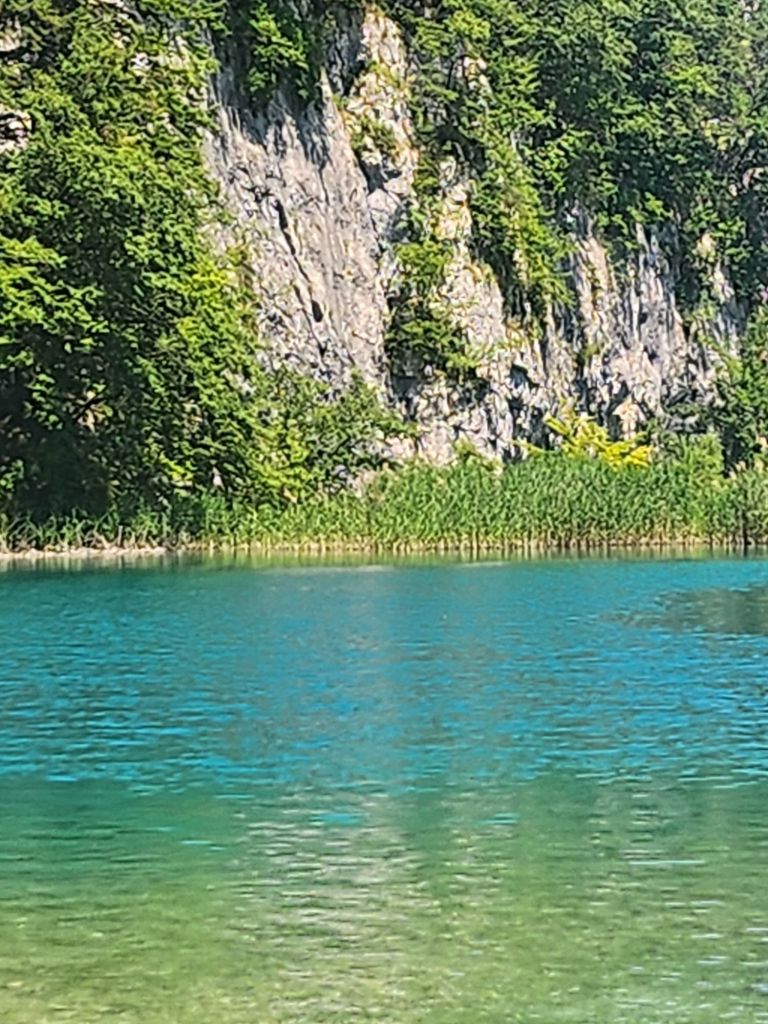
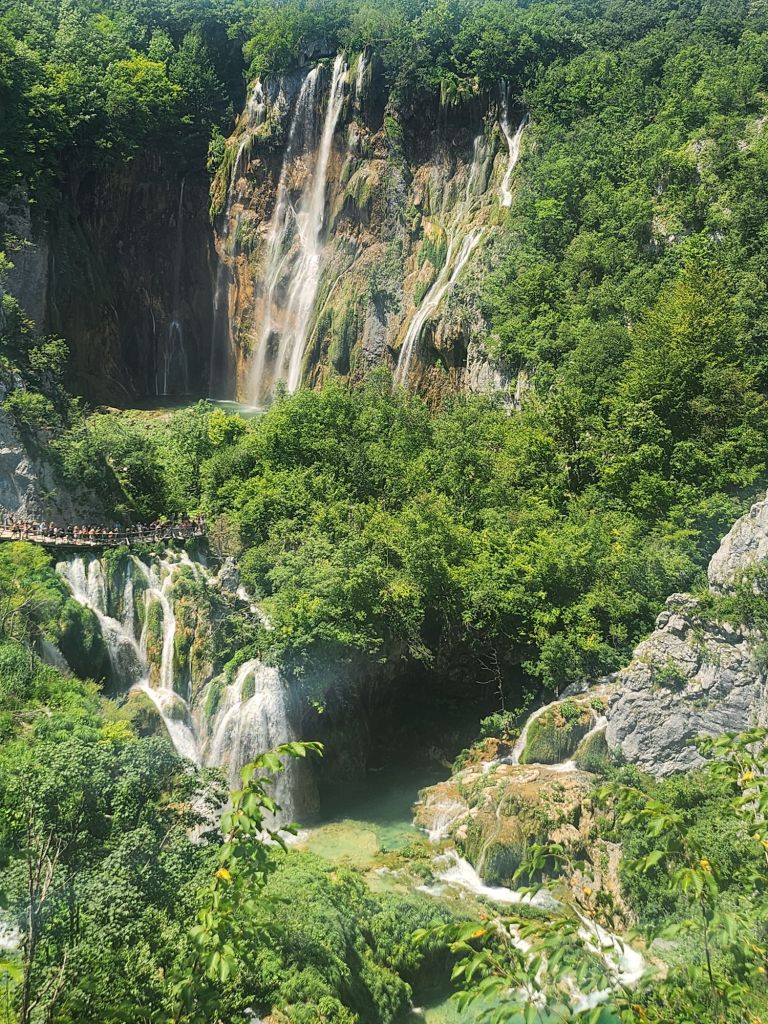
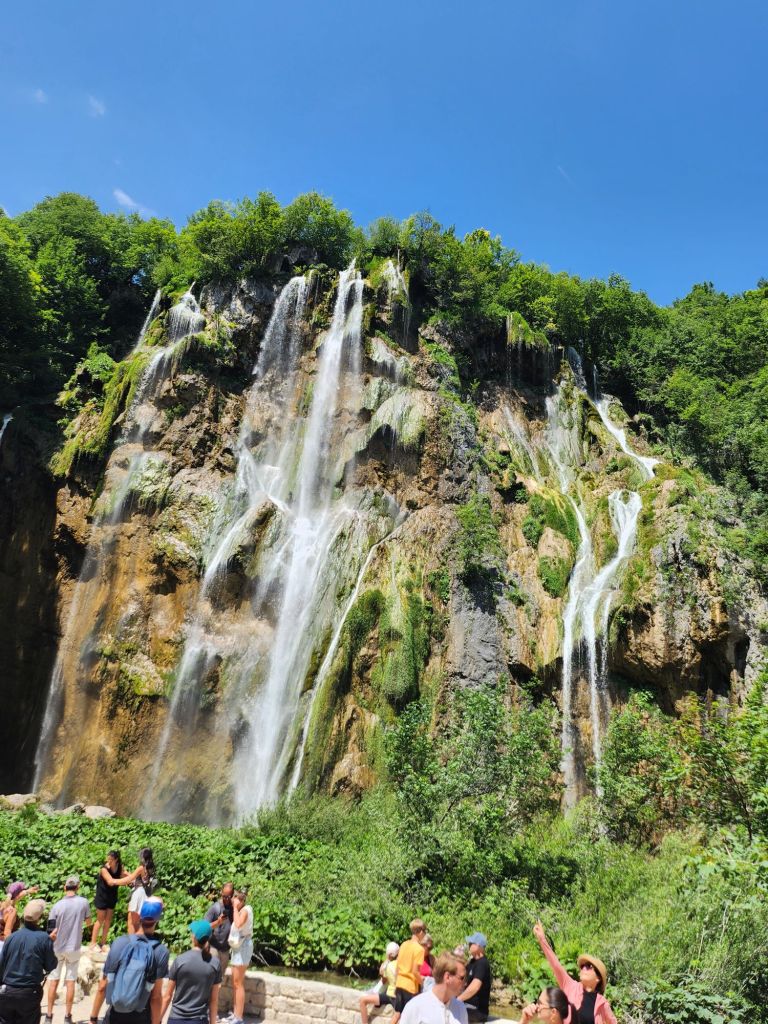
An astonishing amount of water, in the form of lakes, streams (approximately 1,000,000 poohstick spots), ponds, and especially waterfalls. Deep blues and greens in the still water.
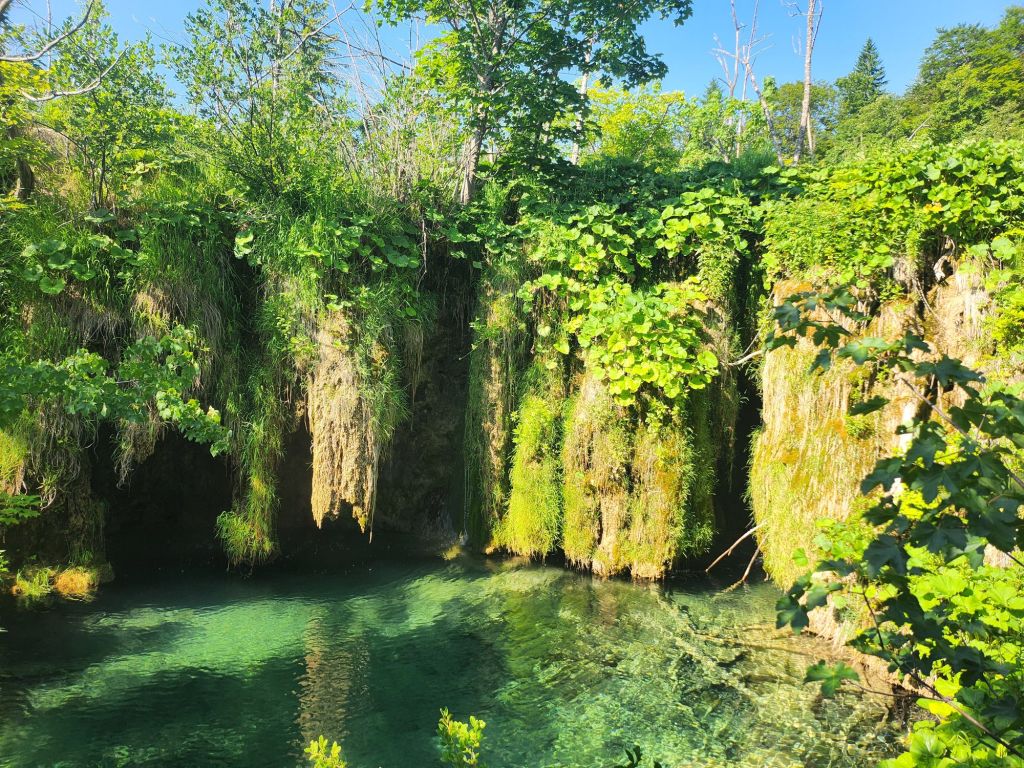
11am

Diocletian was essentially last pagan (non Christian) Roman Emperor. He was born poor in what is now Croatia, then part of the Roman Empire, and rose in the army to become Emperor. He persecuted Christians. He was the only emperor to leave office voluntarily. In 305 AD he retired back to Croatia to build his palace.
The place is a jumble in terms of architecture and religion. The Christians turned his Temple of Jupiter into a shrine to John the Baptist, and his pagan tomb into a church, tossing his bones into the sea in the process. Then the place was occupied by squatters for centuries, especially the huge basement area.

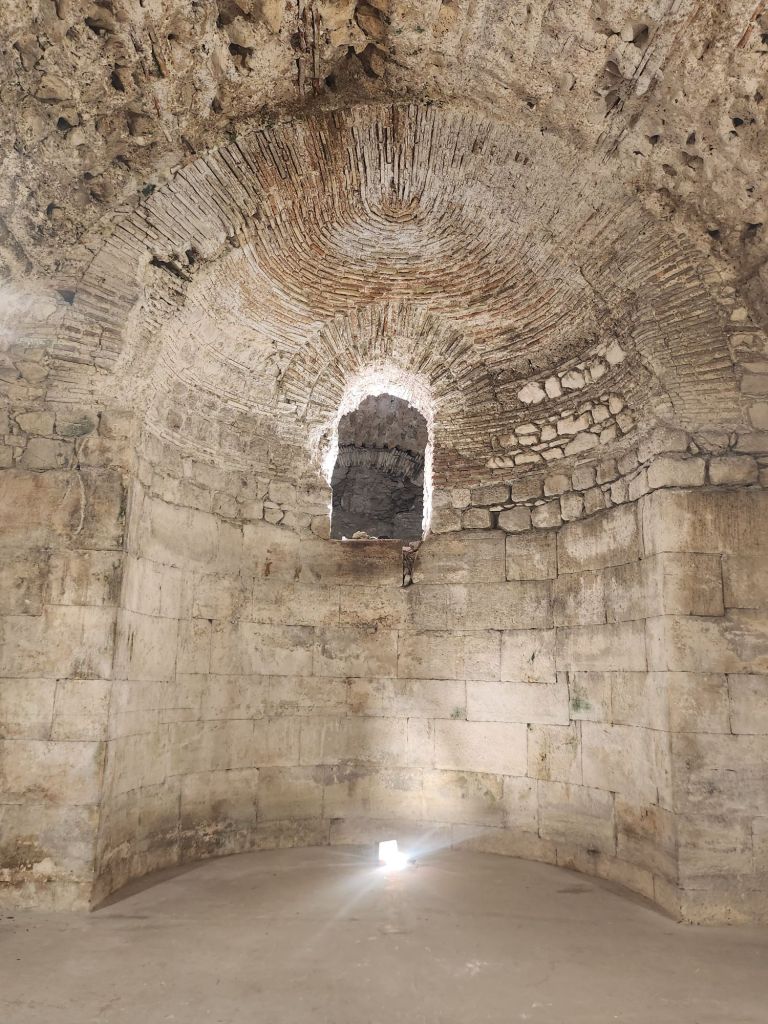
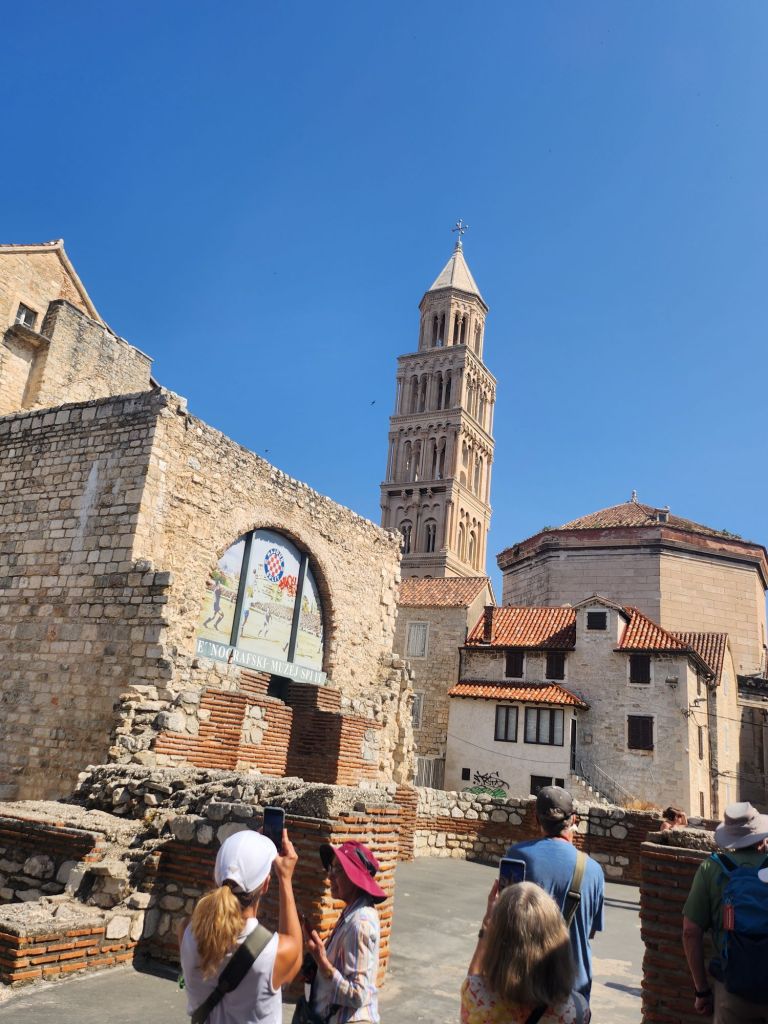
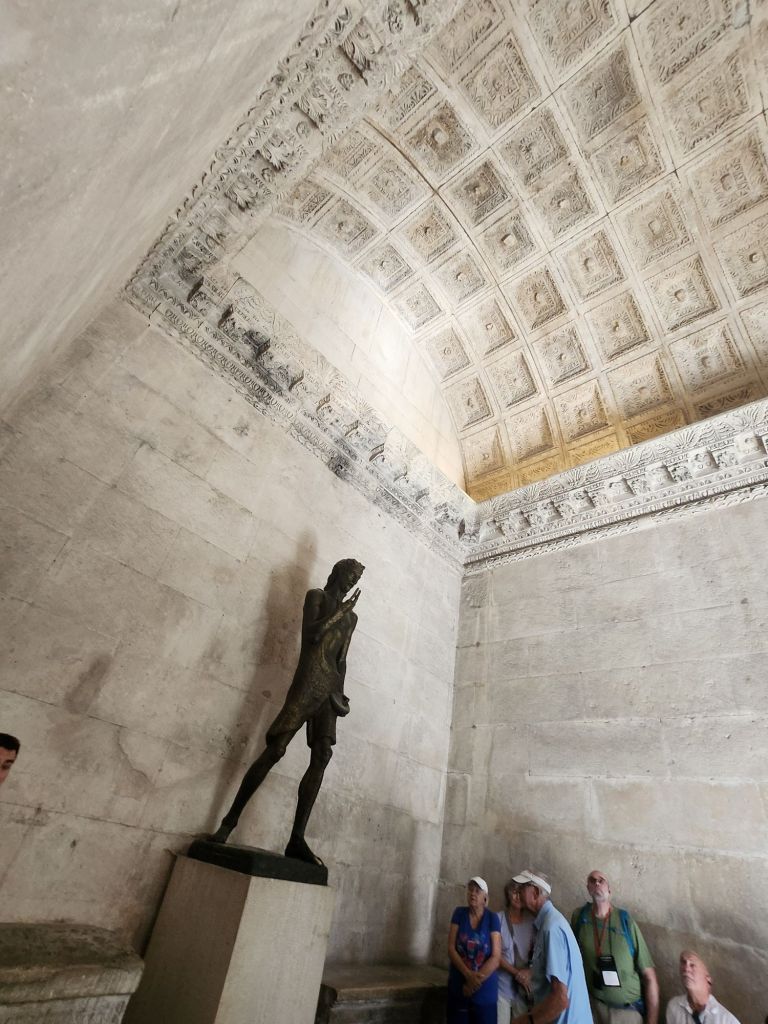
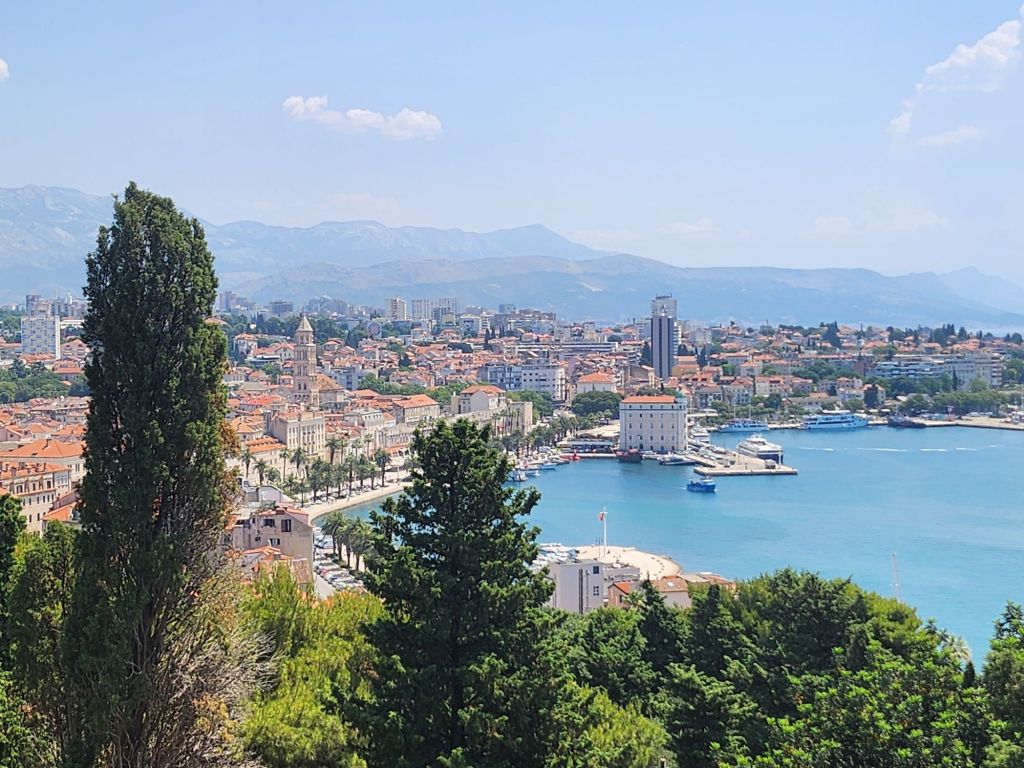
View of Split from the Jewish Cemetery.
Went to a celebration of Polish culture on the square. Great costumes.
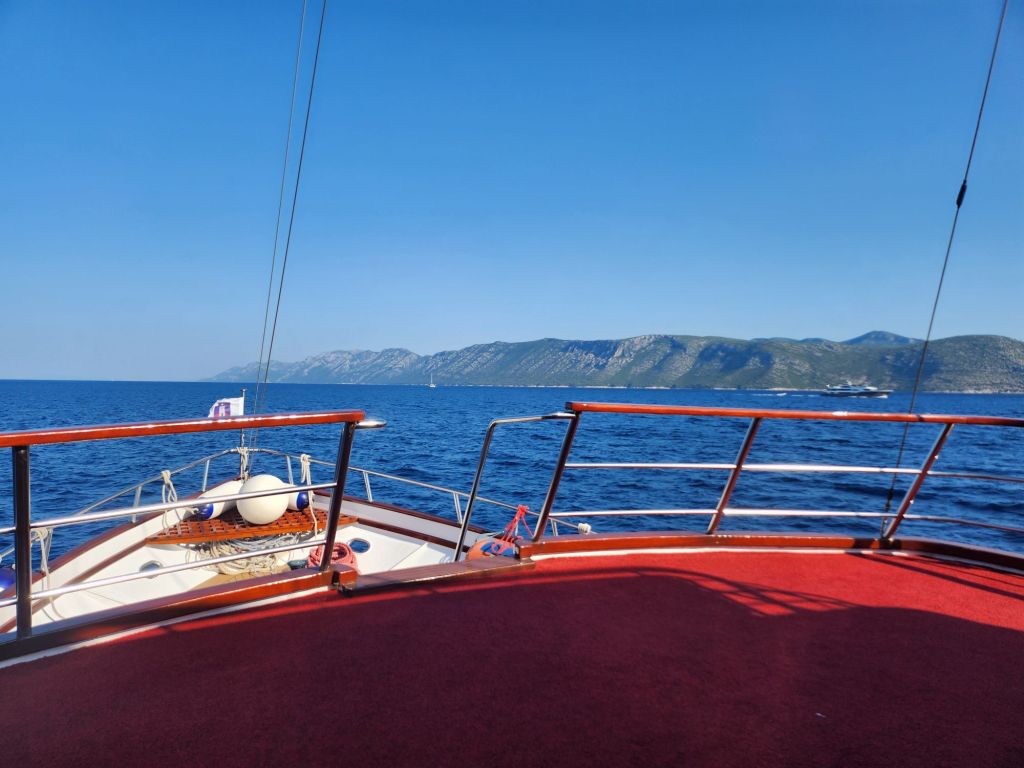
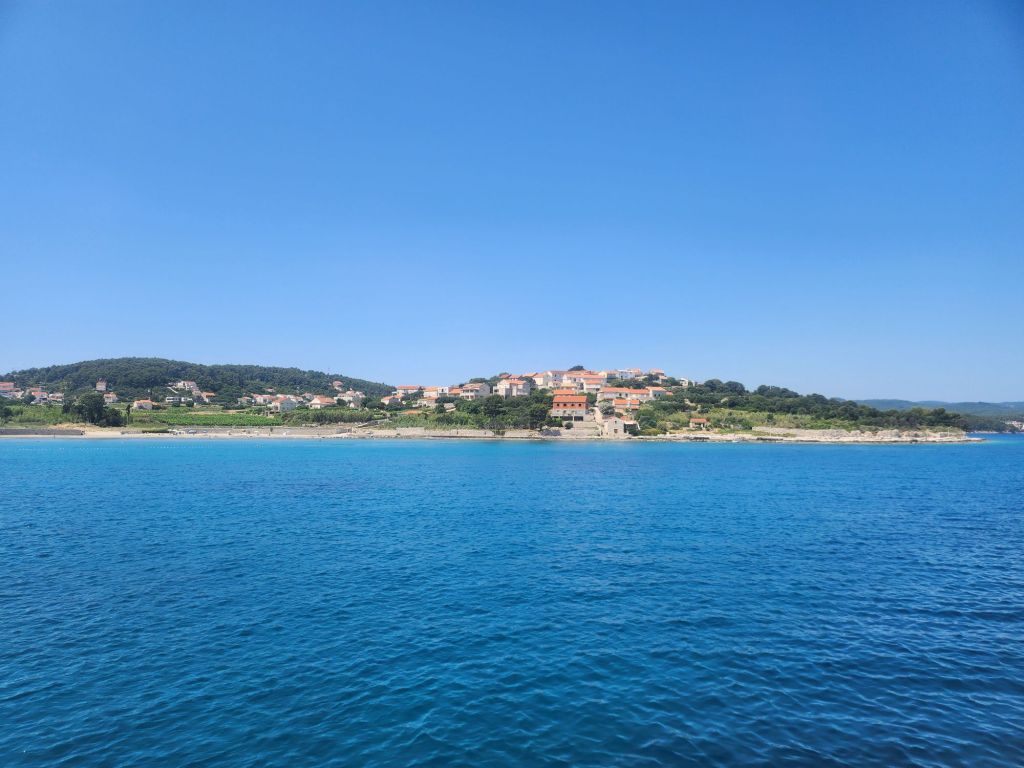
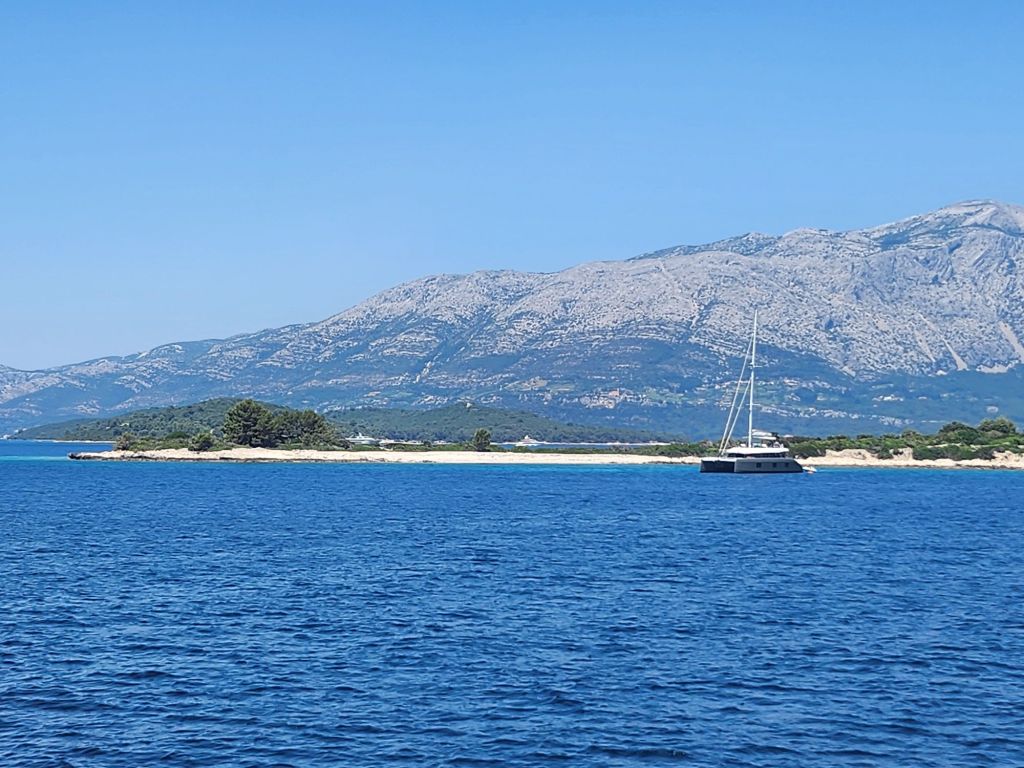
Sailing from island to island in the Adriatic, I have kind of lost the will to write much.

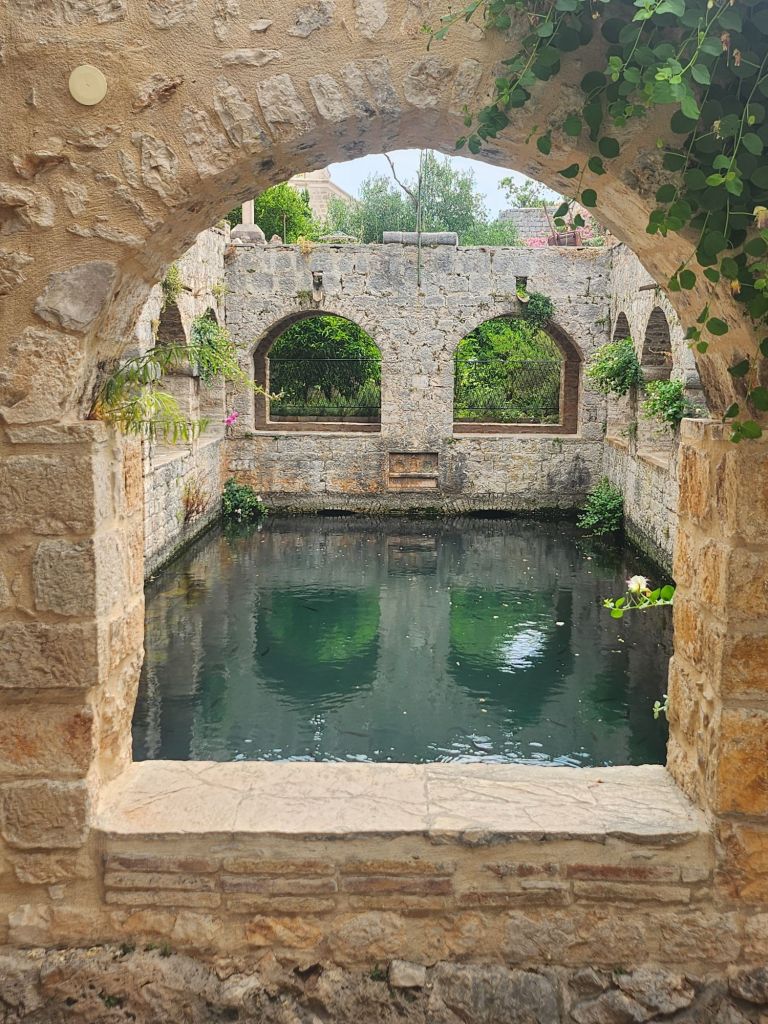
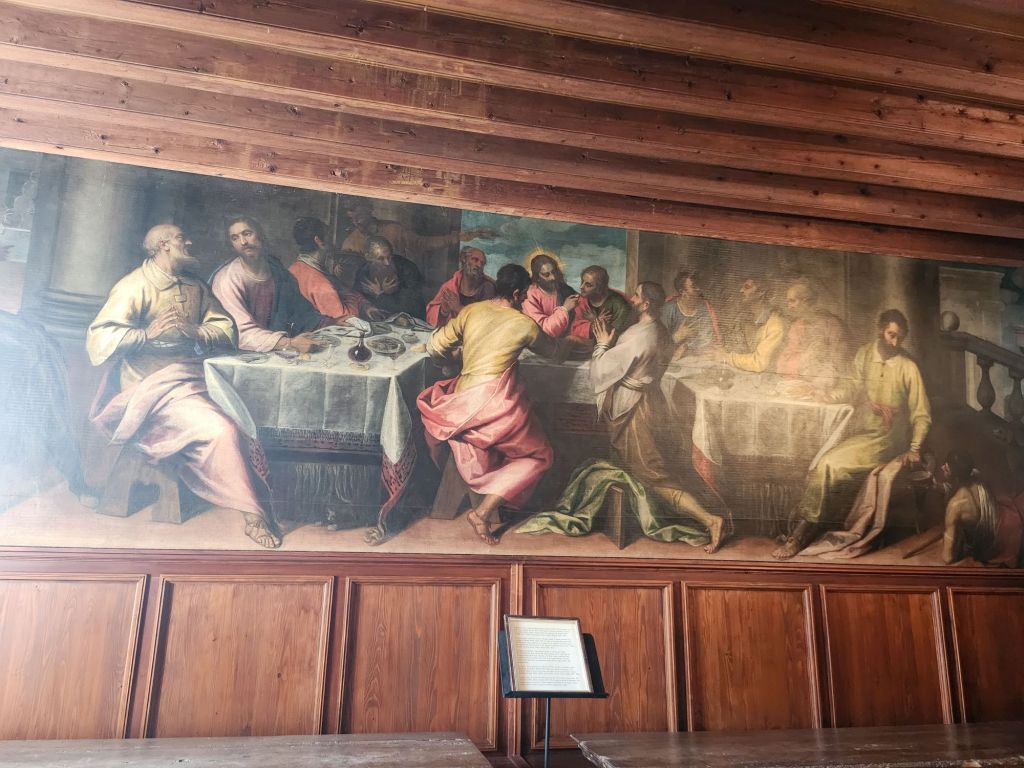
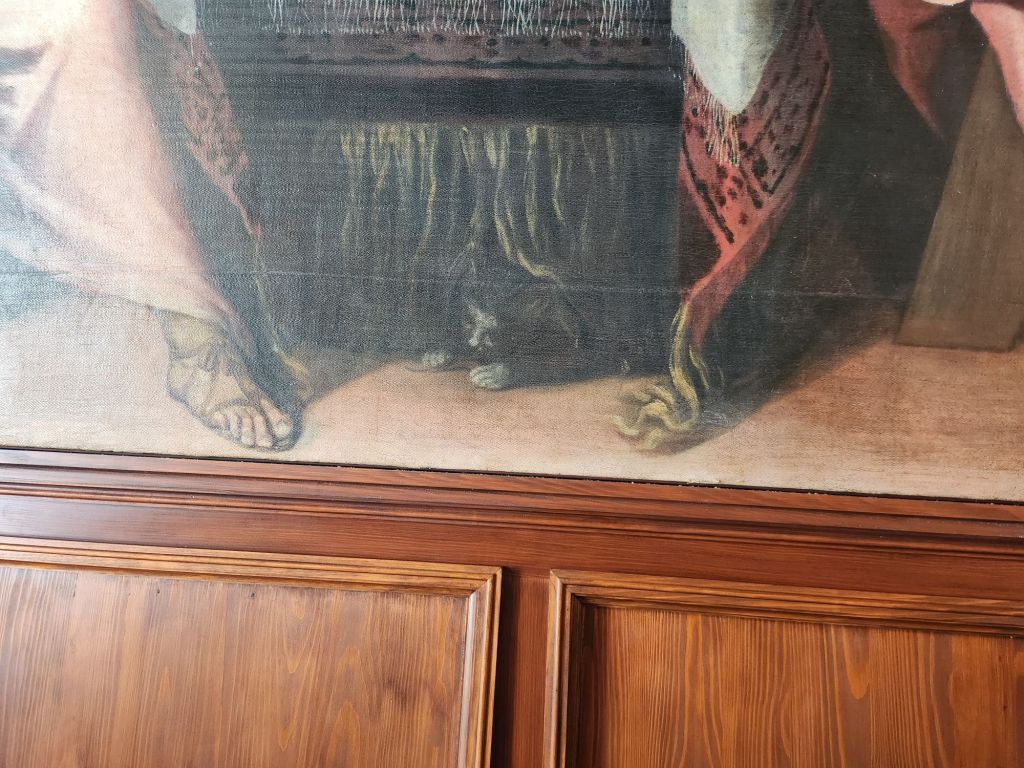
Last Supper in a monastery, dominated by Judas, with his back to the viewer and a cat (symbol of lust) at his feet.
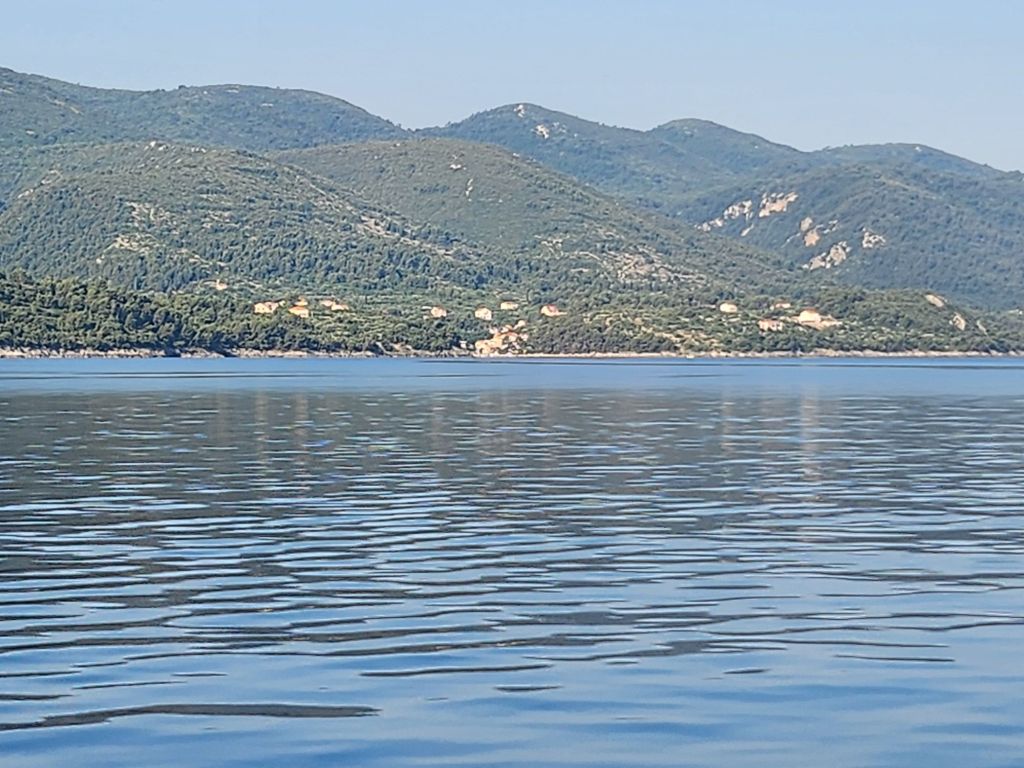
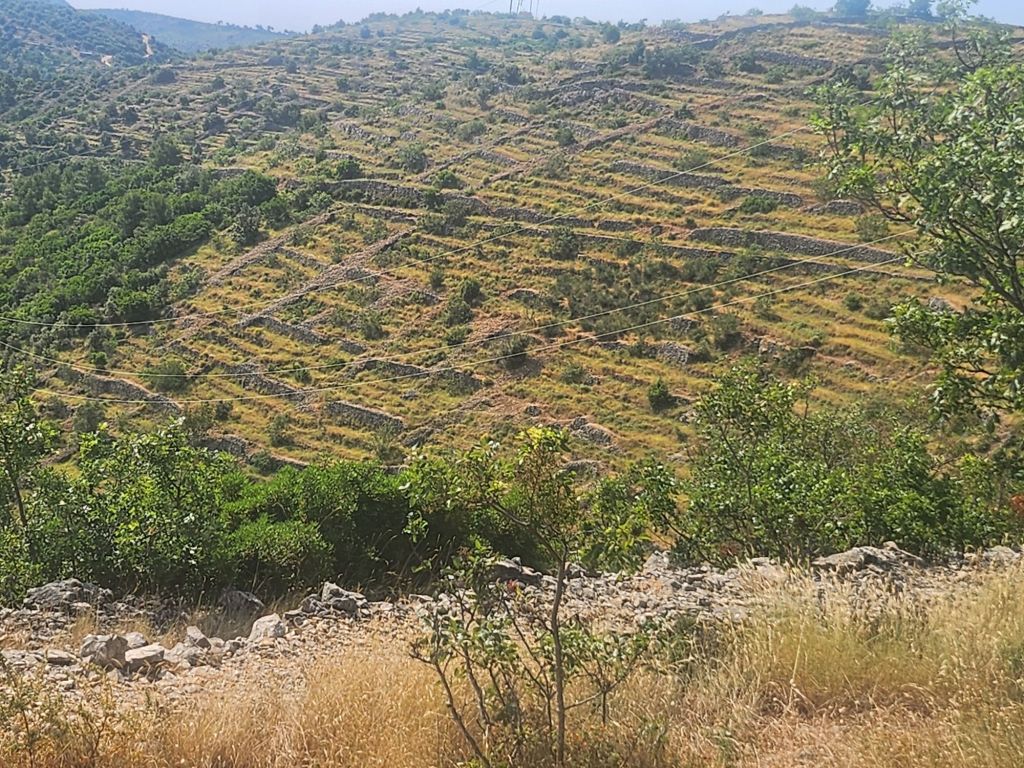
Terraces on Hvar, built over centuries, for vineyards until disease wiped them out in the early 20th century, then for lavender for a while, which they are now trying to revive. In the distance in the third picture is island of Vis, where most of Mamma Mia 2 was filmed.

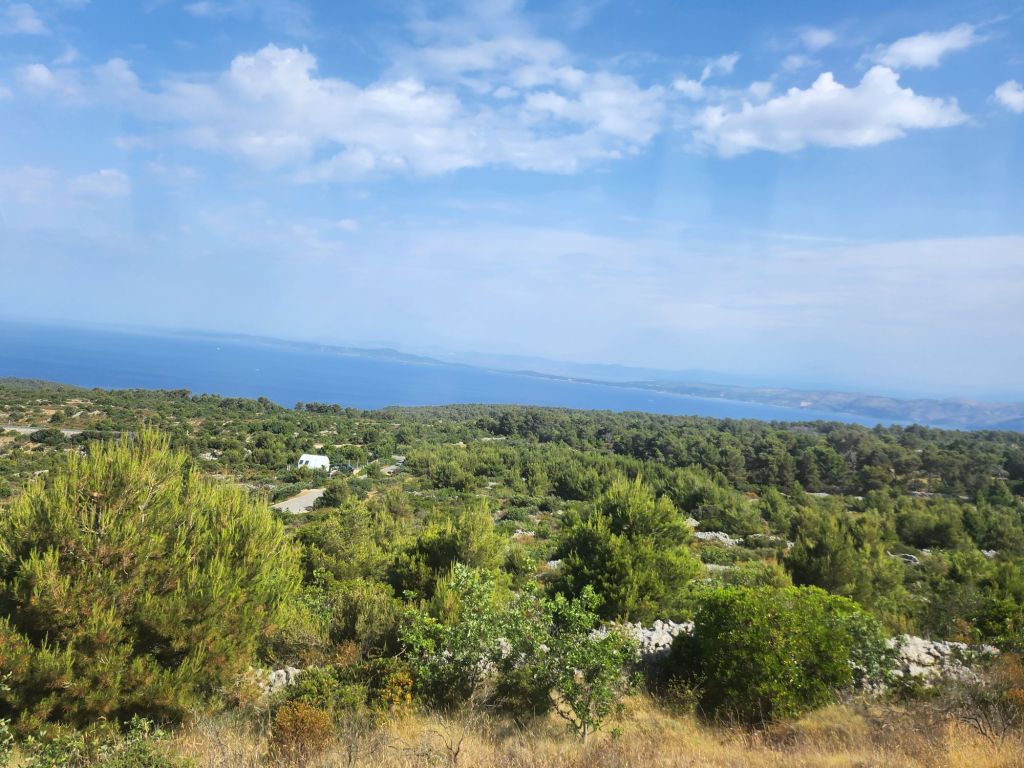
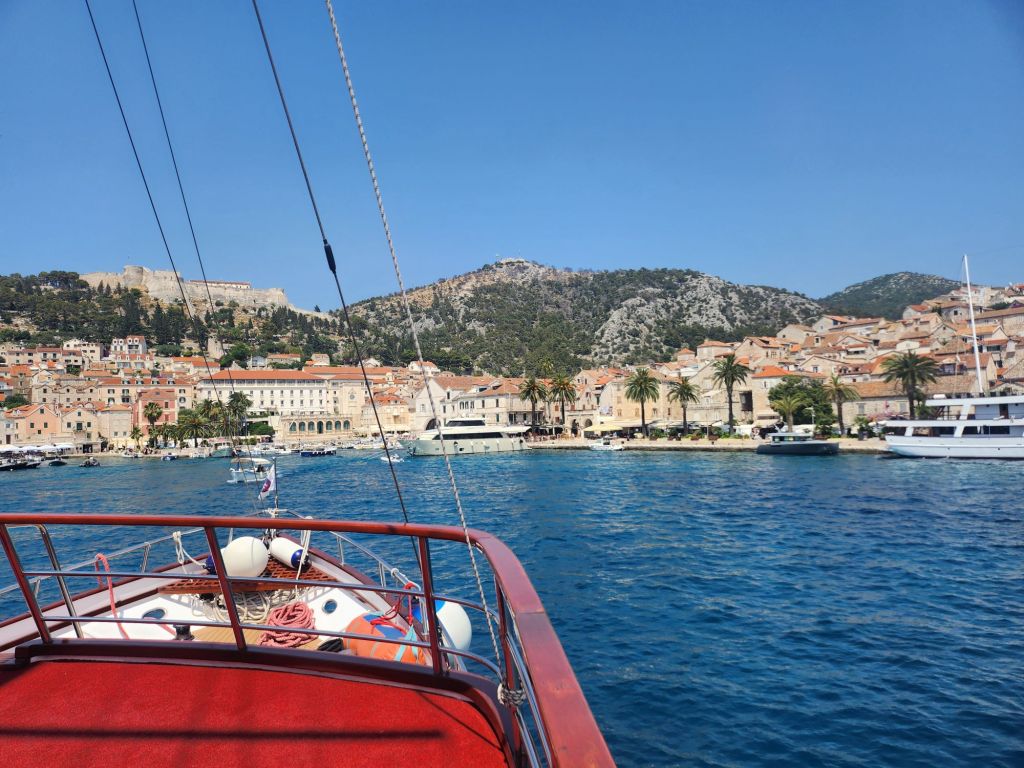
Fortress above Hvar harbor, and the view from it.

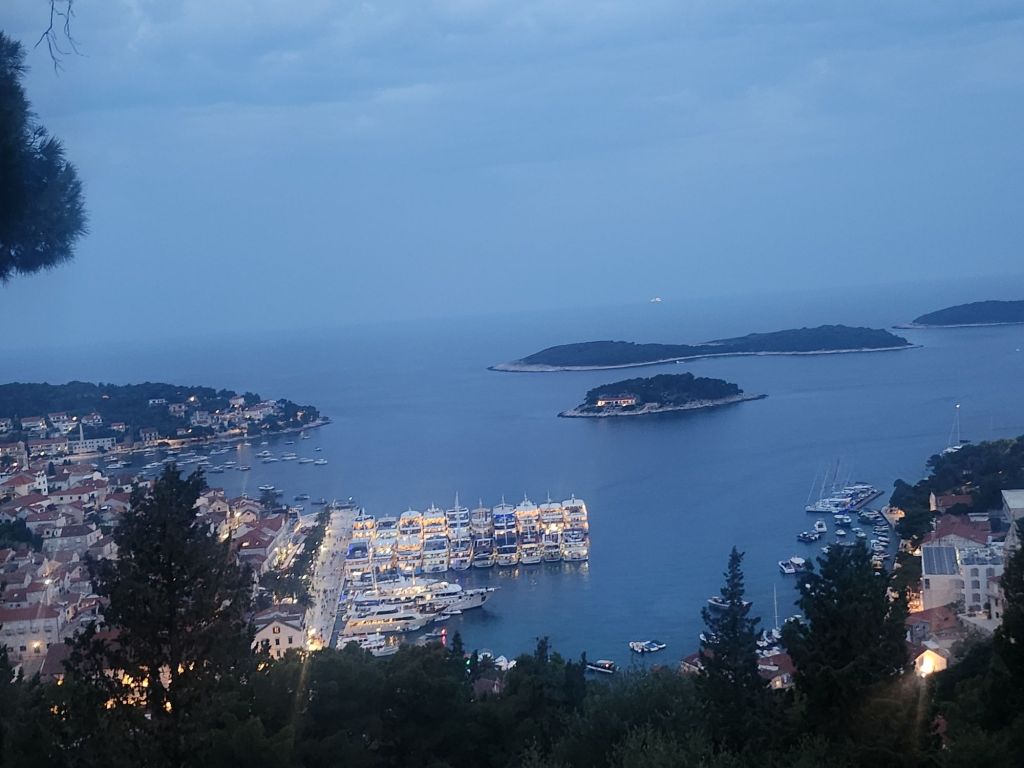
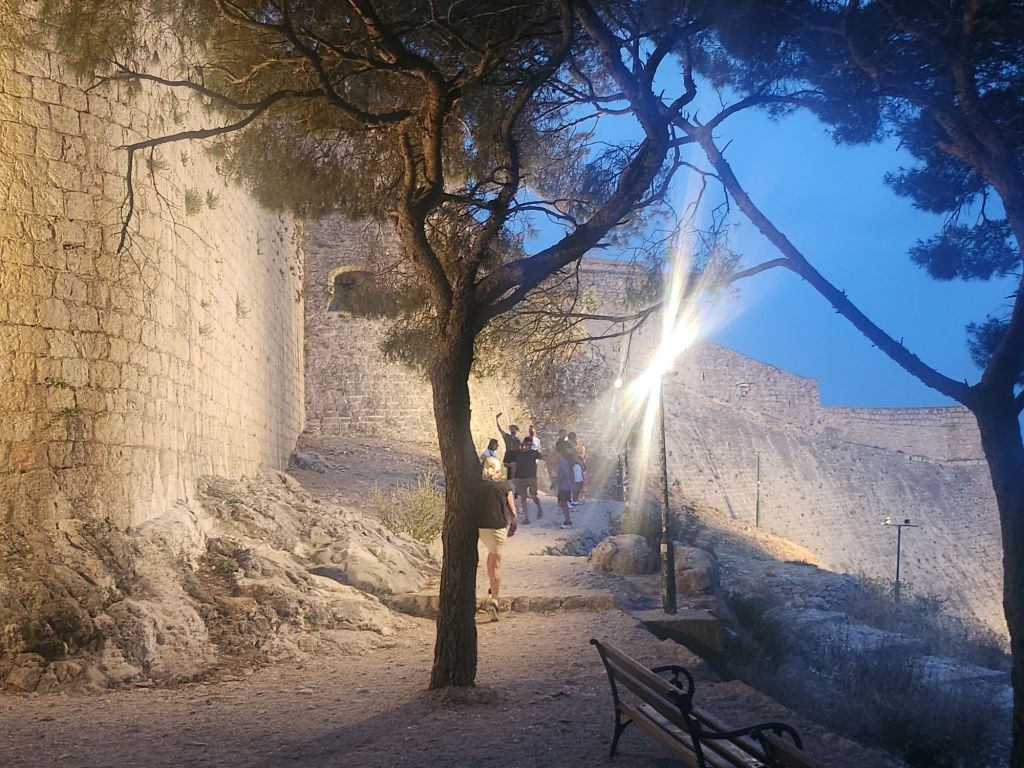
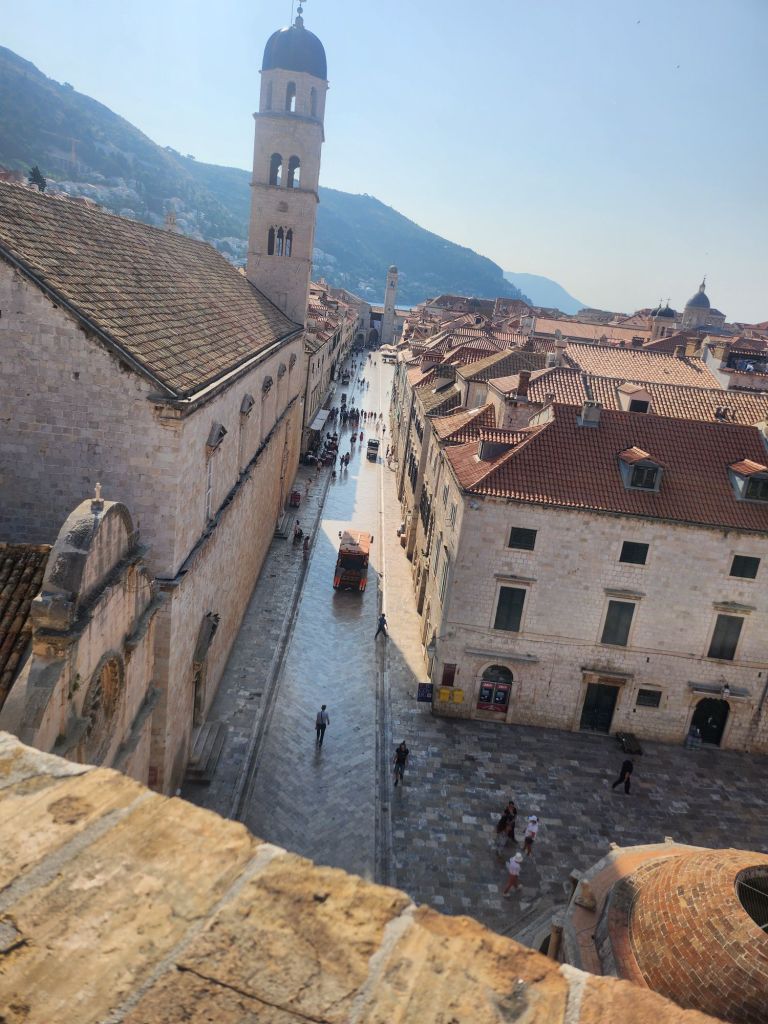
Dubrovnik tourism puts Hawaii to shame. One thousand residents, two million tourists, four thousand vacation rentals. It deserves all the attention.
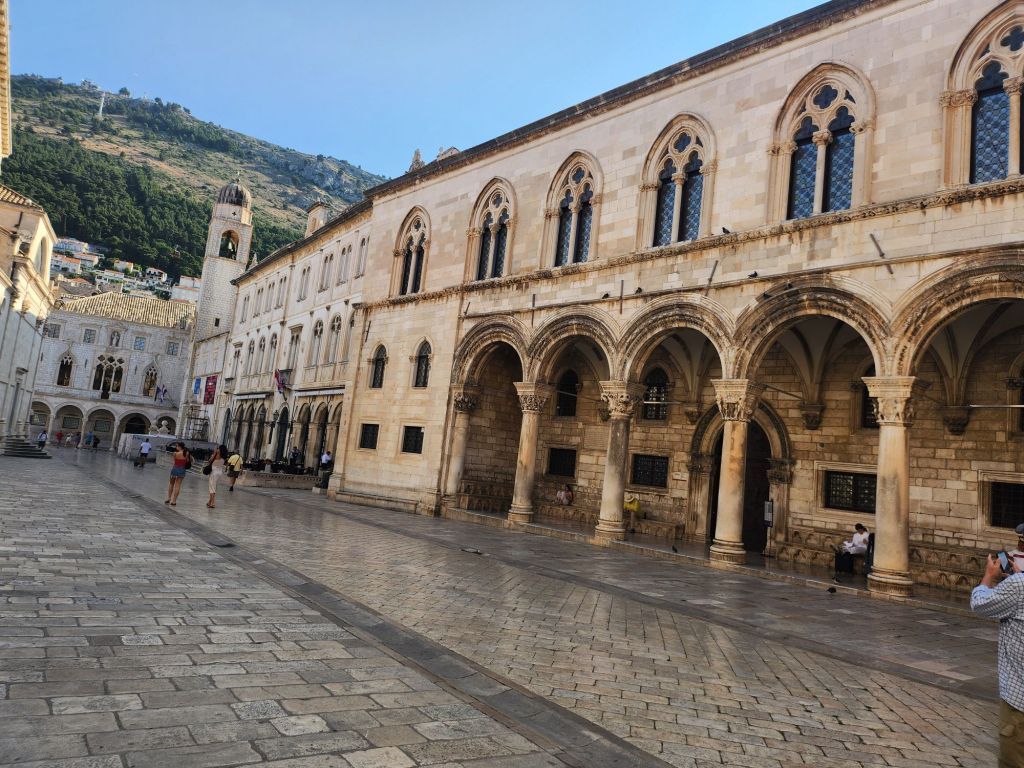
History first. Dubrovnik is similar to Venice: Adriatic port that flourished most around 1200-1500, with an economy built on shipbuilding and trade rather than land and feudalism. Both places had a weird, quasi-democratic government, with a large group of male nobles (in Dubrovnik more than half of the male population) voting on affairs of state. In Dubrovnik, there was a Rector who was nominally the head of state, but the term of office was only 30 days.
The Rector’s Palace.
The doorway to the Council meeting room. The words above the door translate to “forget your private business, concern yourself with public affairs.”

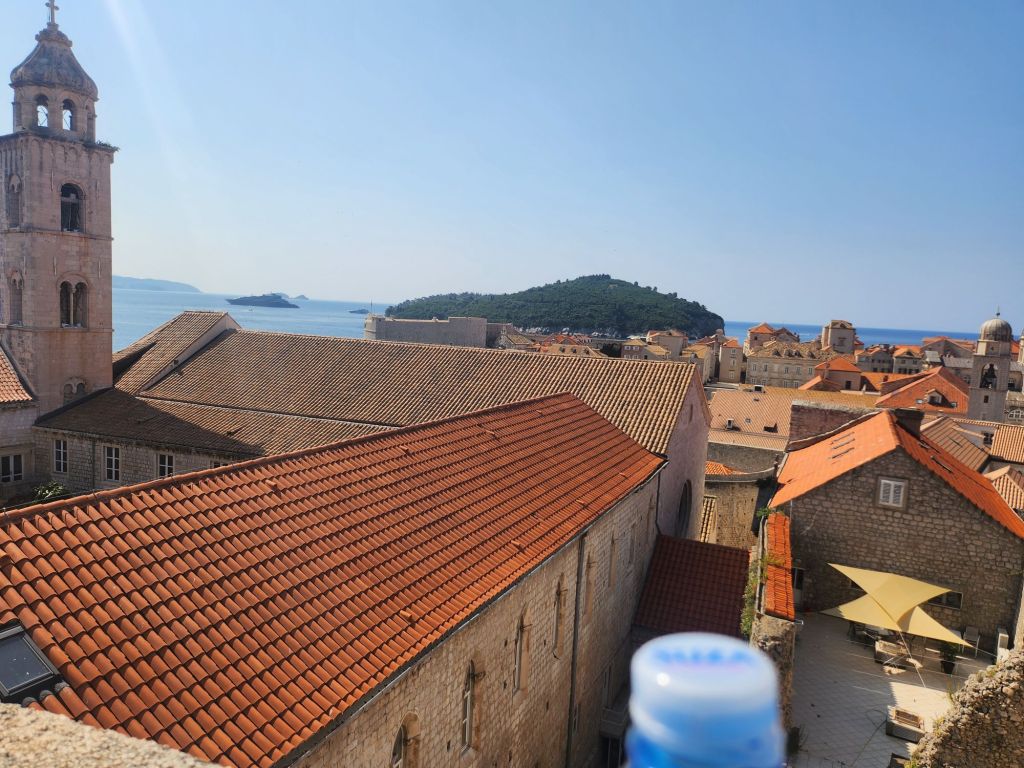
Another similarity to Venice is the many churches, palaces and paintings, although according to our guide the civic instinct was to be less ostentatious than Venice because they didn’t want people to know how rich they were.
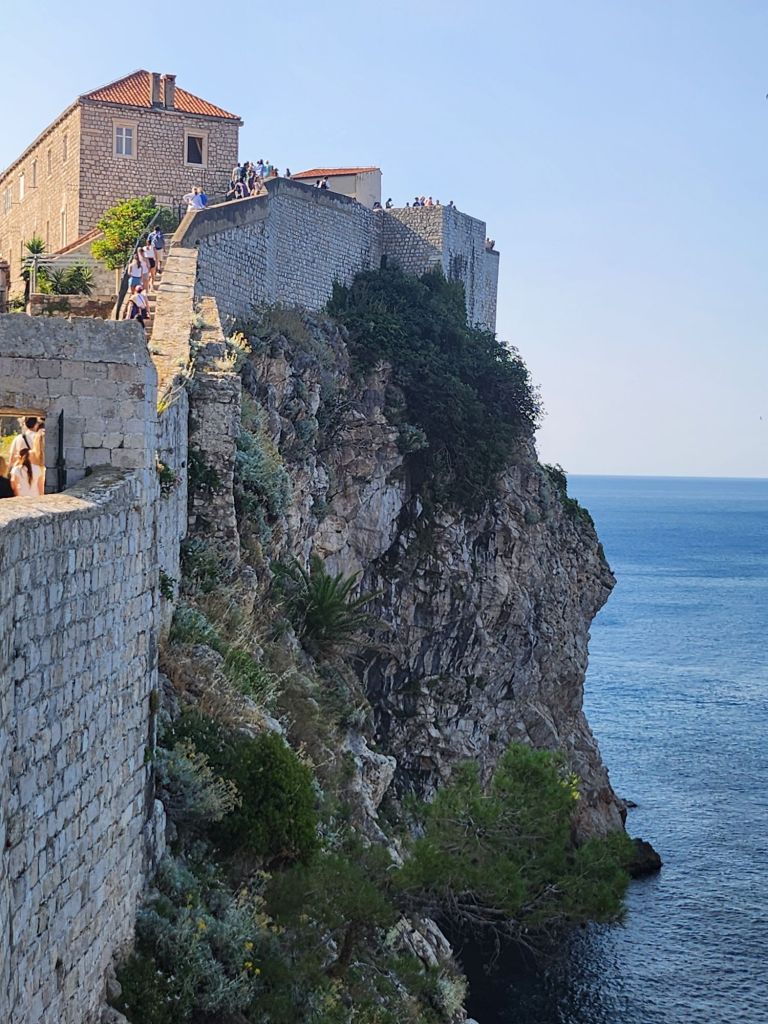
The city was bombed and besieged by the Serbs in the 1990s but not conquered. They’ve kept some damage as scars of honor, but have otherwise restored the place to pristine condition.
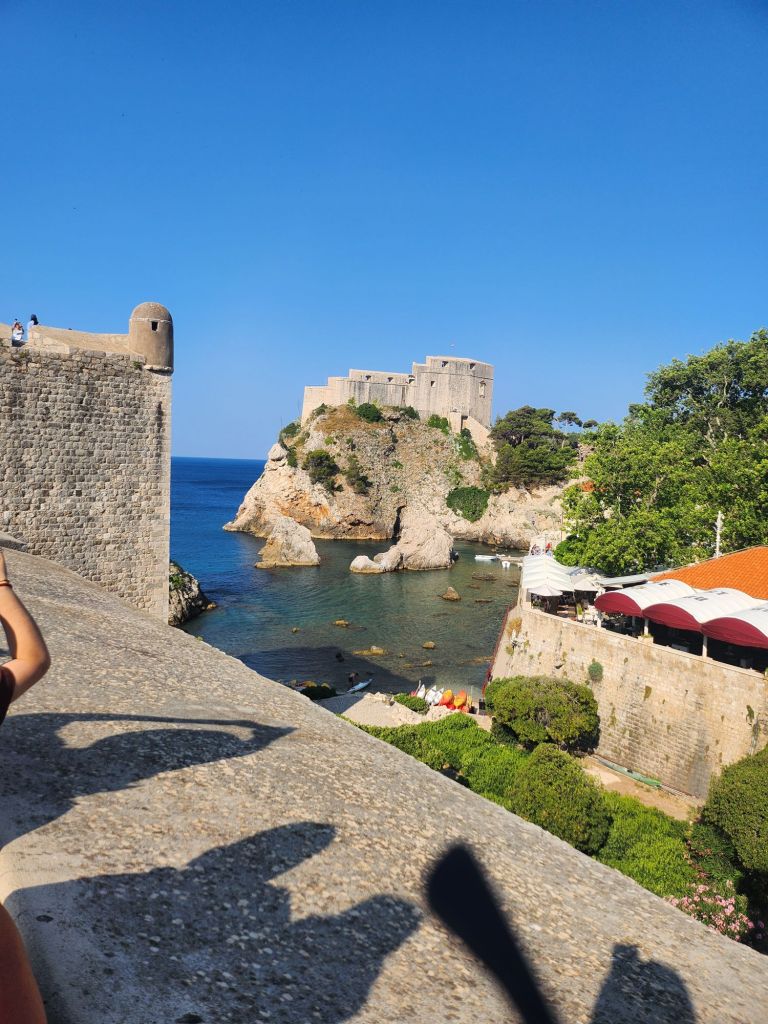
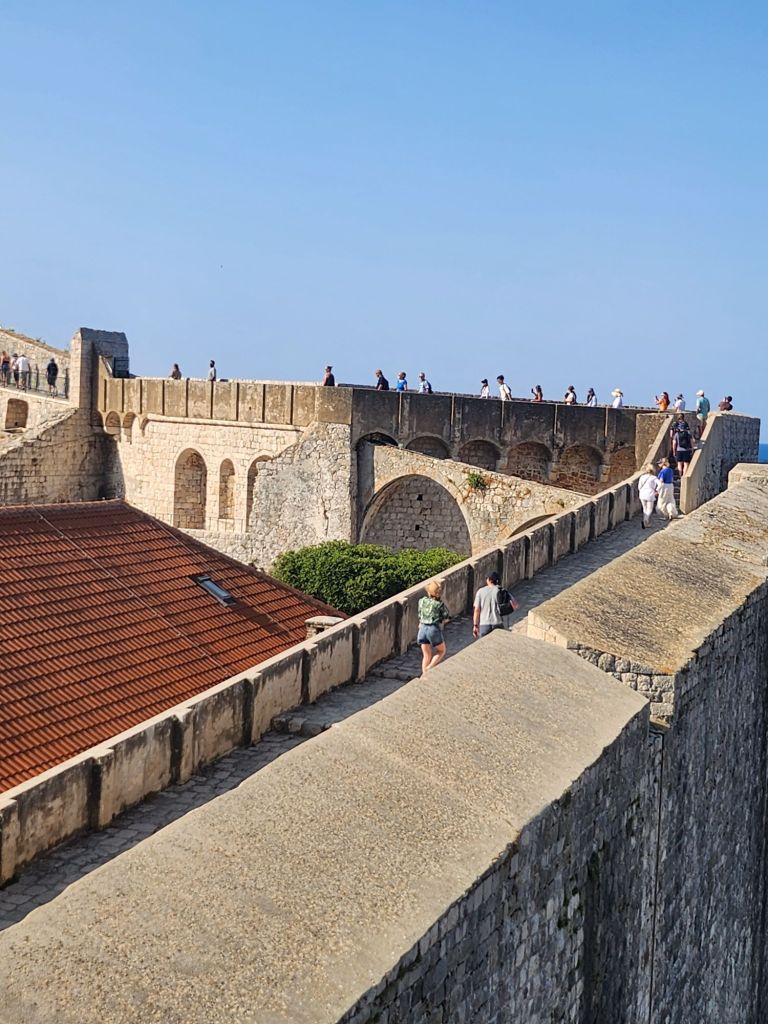
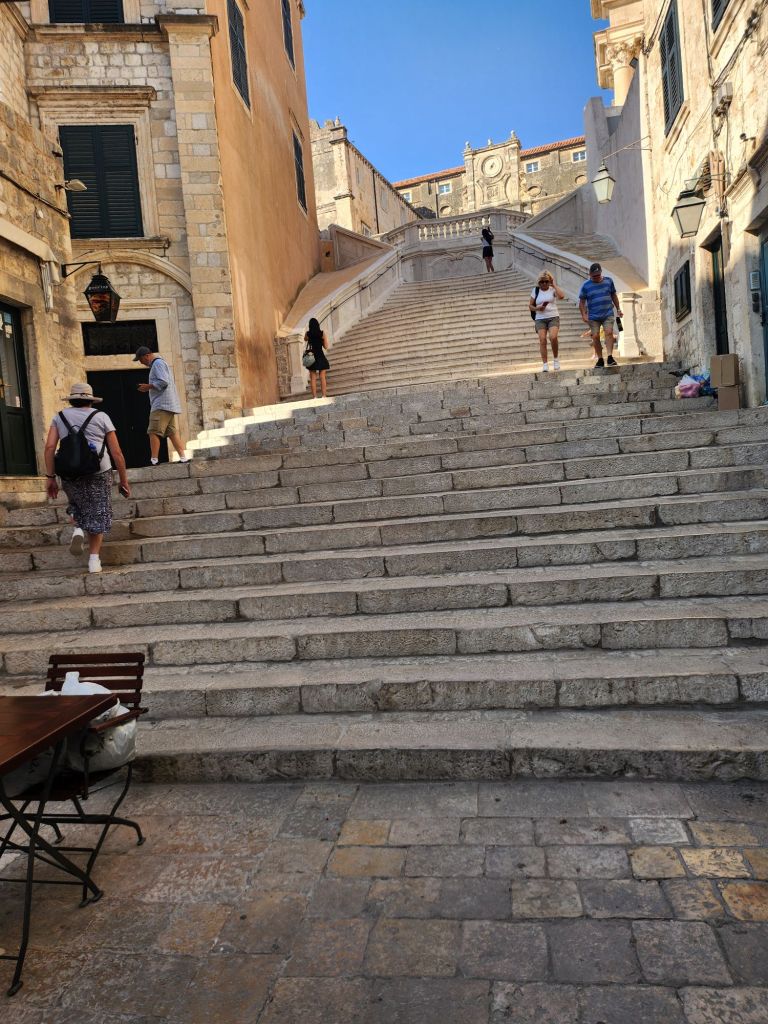
It’s yet another fortress and walled city but on an enormous scale. They used many sites for Game of Thrones locations.

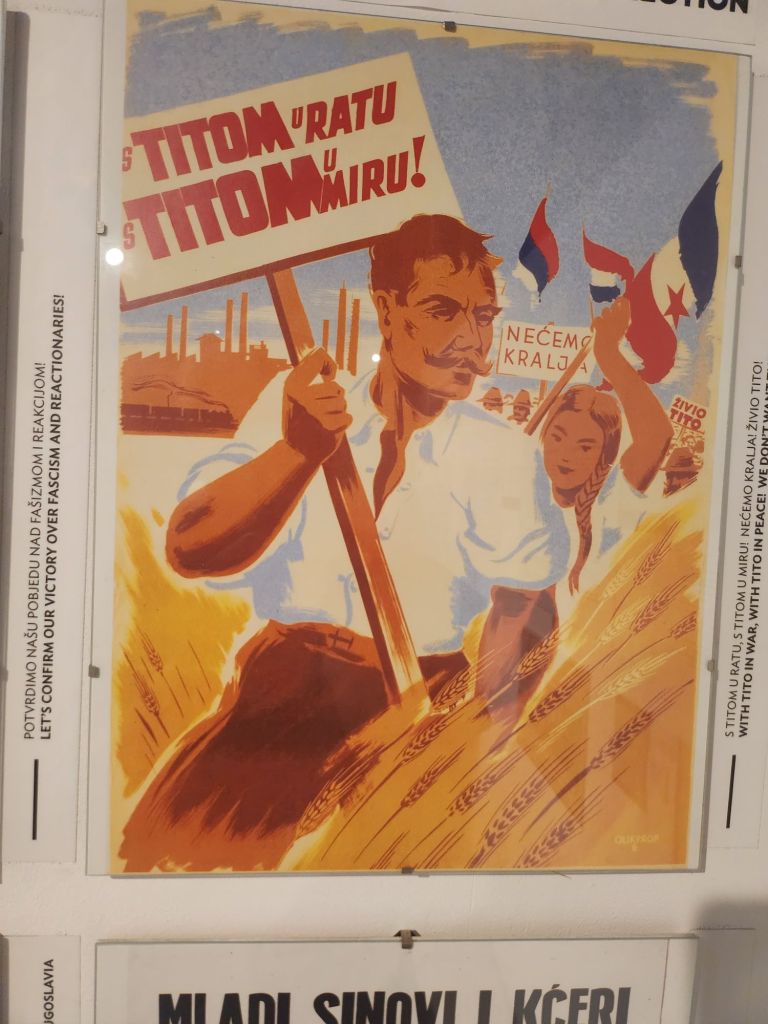
Also went to the Red Museum, about life under socialism between 1945 and 1991. Yugoslavia, led by the Communist Marshal Tito, basically liberated itself from the Nazis, and he ruled until he died in 1980. There was repression of dissent, jailing and torture of political prisoners, but not on a Soviet scale. Travel to the west was ok, and the economy developed pretty well for the first 15 years after the war. But development slowed and tensions rose among the various nationalities, looming Yugoslavia.
A poster for the one free election after the war, translated as “Tito for us in war, Tito for us in peace,” and “We don’t need the king” and “Long live Tito.” Tito won the election over a royalist party and never had another free election.
The museums did a good job of reproducing life for ordinary citizens – seemed similar to US life except 20 years late – electric typewriters and black and white TVs in the eighties.
They also had a movie poster for “Ben Hur,” which puzzled me until I read the placard saying that the Yugoslavian version cut all the religious scenes. Makes you wonder how it ends.
The bus trip from Sarajevo to Dubrovnik was scenic. Our route paralleled a river for the first couple hours.
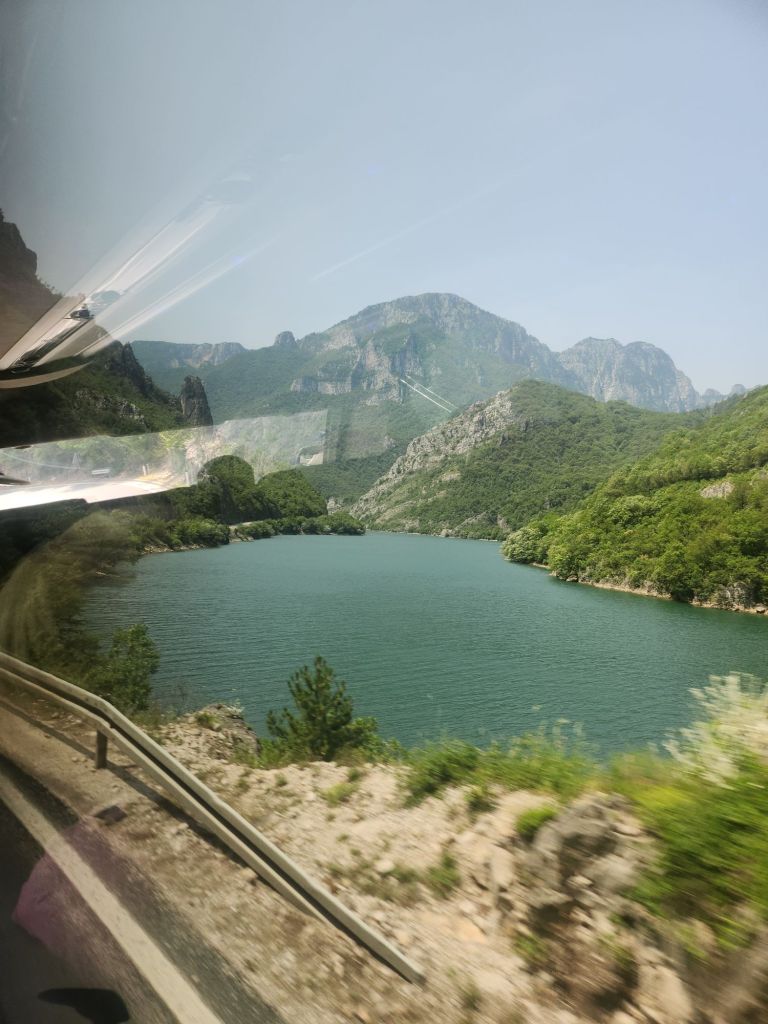
Then we hit the Adriatic.
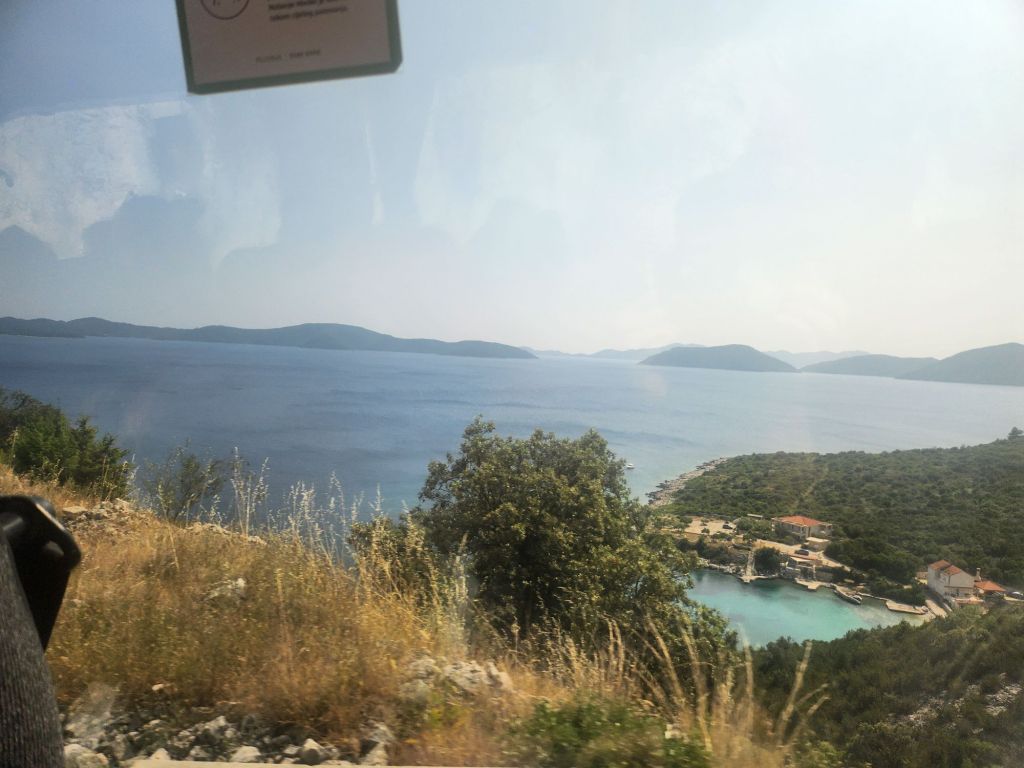
Arrived at Montenegran hotel in late afternoon. After the strong senses of place in Ljubljana (calm, elegant, prosperous) and Sarajevo (brave, tragic, struggling), the generic feeling of the beach resort was a little jarring. Like a nice Waikiki hotel. But getting here a couple days before my group tour started gave me a chance to do laundry and recharge.
The hotel is on Boka Bay, which I repeatedly heard is one of the top 25 bays in the world, without further explanation. But whoever was making the list knew what they were doing. The bay is actually a winding series of bays. My hotel was at Igalo, in the lower left corner of the map.
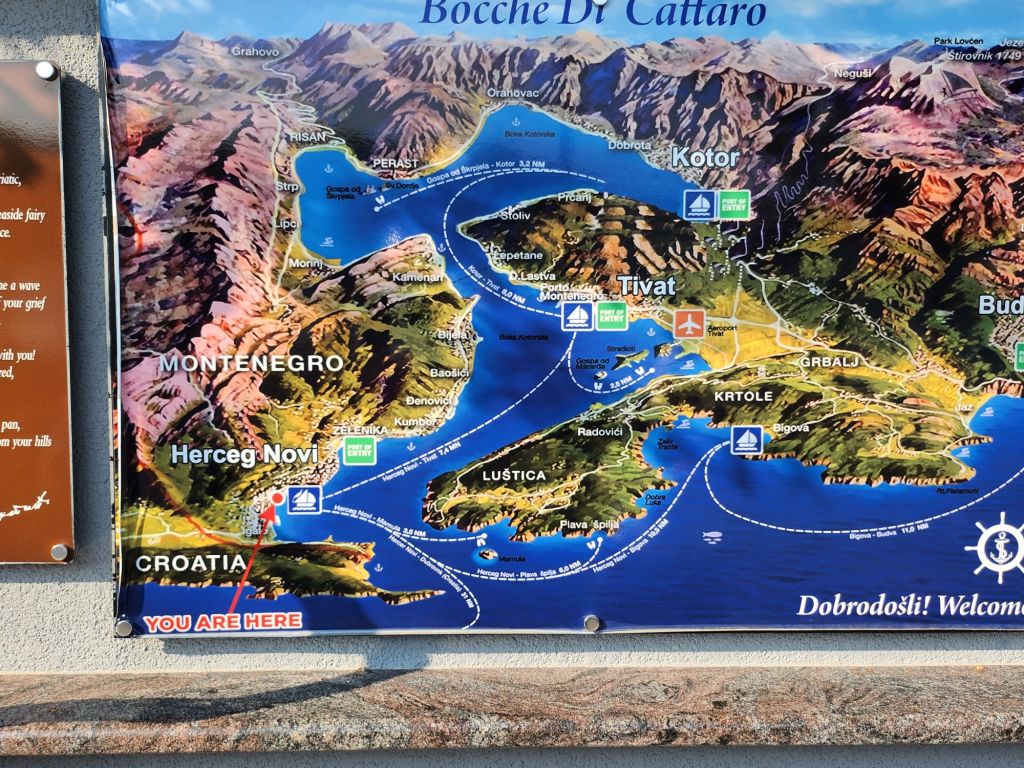
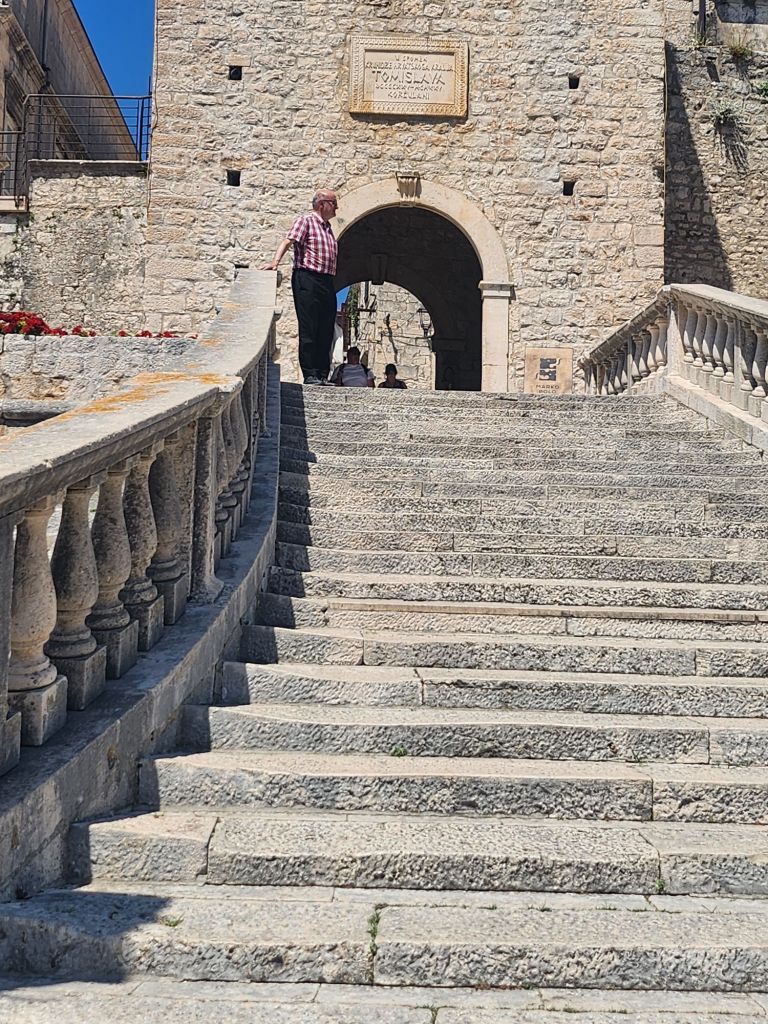
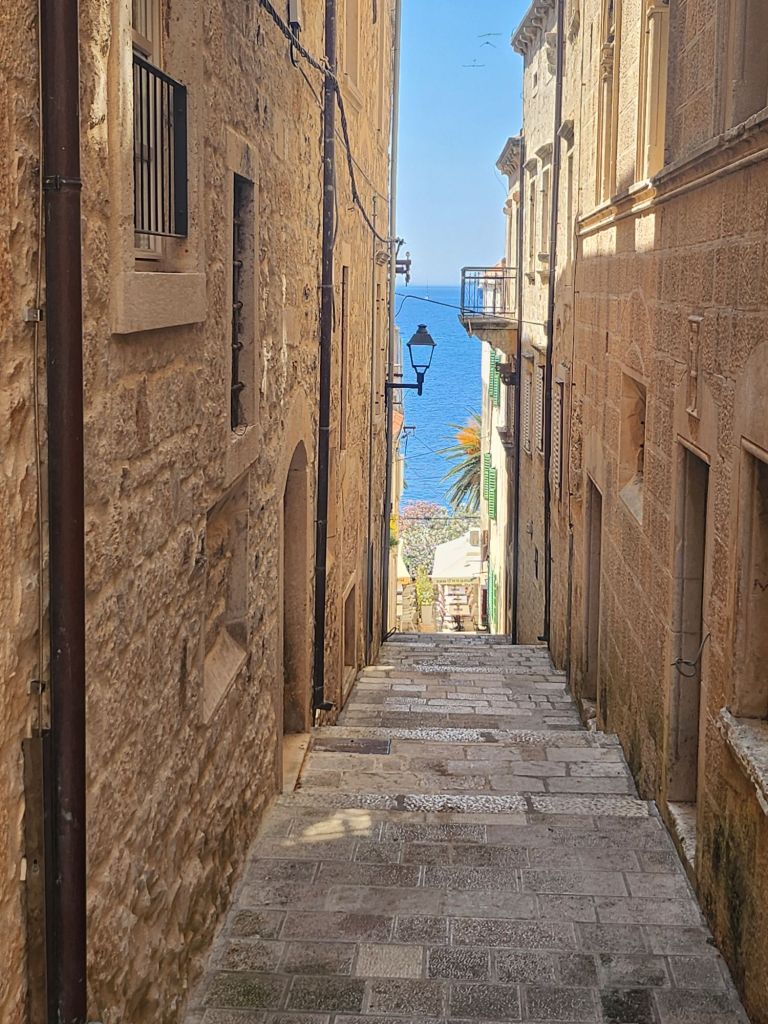
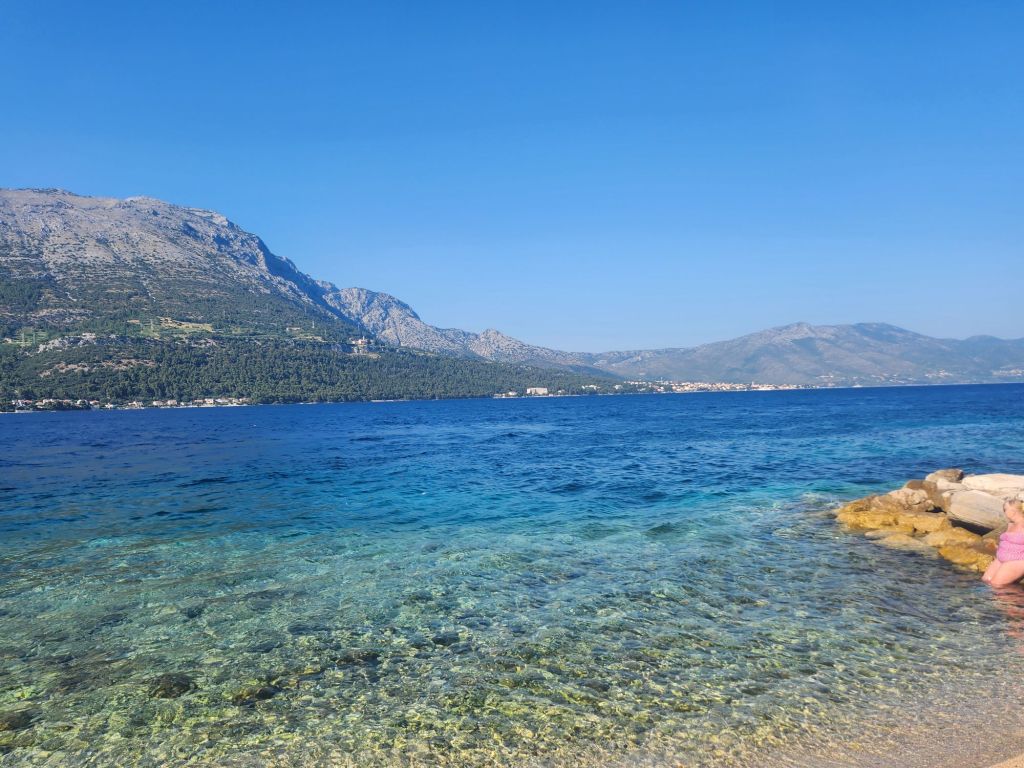
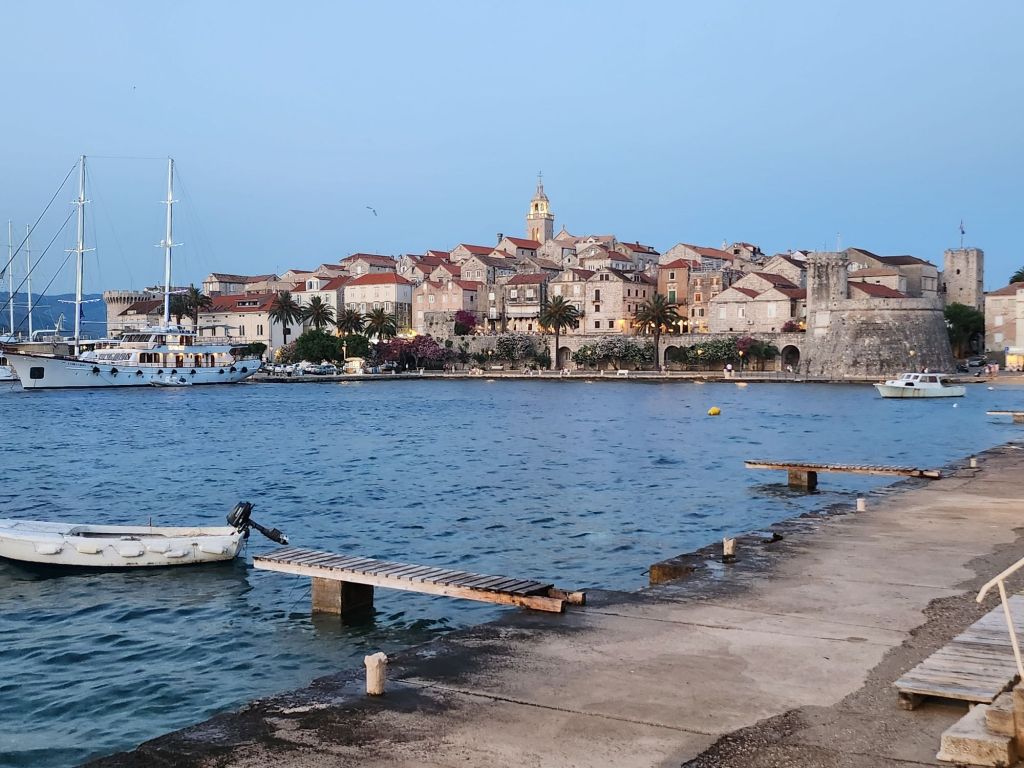
The first day of the tour – our only day in Montenegro- we drove three quarters of the way around, to Kotar, on the upper right of the map. As you drive the perspective on the water, bays and islands constantly changes. I have a feeling I’m going to have a lot of pictures over the next week of beautiful bays, secluded islands, balmy beaches, blah blah blah. The pictures aren’t going to do anything of them justice, but here you go.
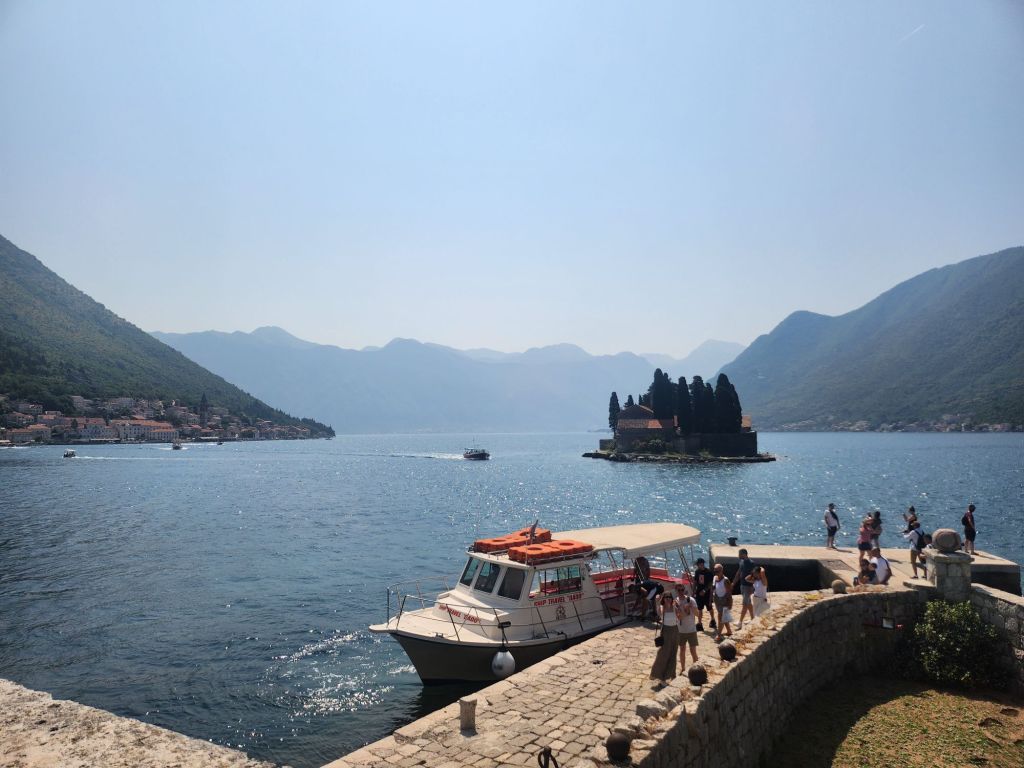

During our drive our guide provided kind of a blur of facts about sites along the way that we weren’t stopping at – mosaics, monasteries, museums, fortresses, churches, parks. Also about the peoples and empires that have swept back and forth over the last three millenia – Illyrians, Romans, Slavs, Venetians, Ottomans, Habsburgs, Napoleon. In everything I’ve read a crucial fault line in the Balkans is between areas that were occupied by the Ottomans and those that were not. Montenegro apparently was partly occupied, but I couldn’t get a good sense of where the line was from our guide.
We visited Kotar, a well preserved walled city that withstood a siege by the Ottomans. It was far too crowded to really enjoy, although there was only one huge cruise ship in the bay; there can be as many as four. These were taken of the city walls where the crowds weren’t so bad.


On the way back the bus dropped us in Herceg Novi, the historic area a couple miles from the hotel. We hiked to a fortress with another fine view, but I forgot to take pictures. That’s OK, plenty more fortresses to come.
I’m not going to write much about my tour mates, but they seem a congenial and curious group.
Three hundred fifty miles from Ljubljana to Sarajevo on the highway. No idea how far it was on the route my busses took, but the trip lasted 12 hours. The first leg, Ljubljana to Zagreb nonstop, was all highway. The first three hours were filled with trucks, hills, valleys, trees and more trucks – Interstate 70 through Pennsylvania. The last hour was flatter, more fertile – I 71 in Ohio. I had a seat in the front row of the two-decker bus, before a large bug-smeared window.
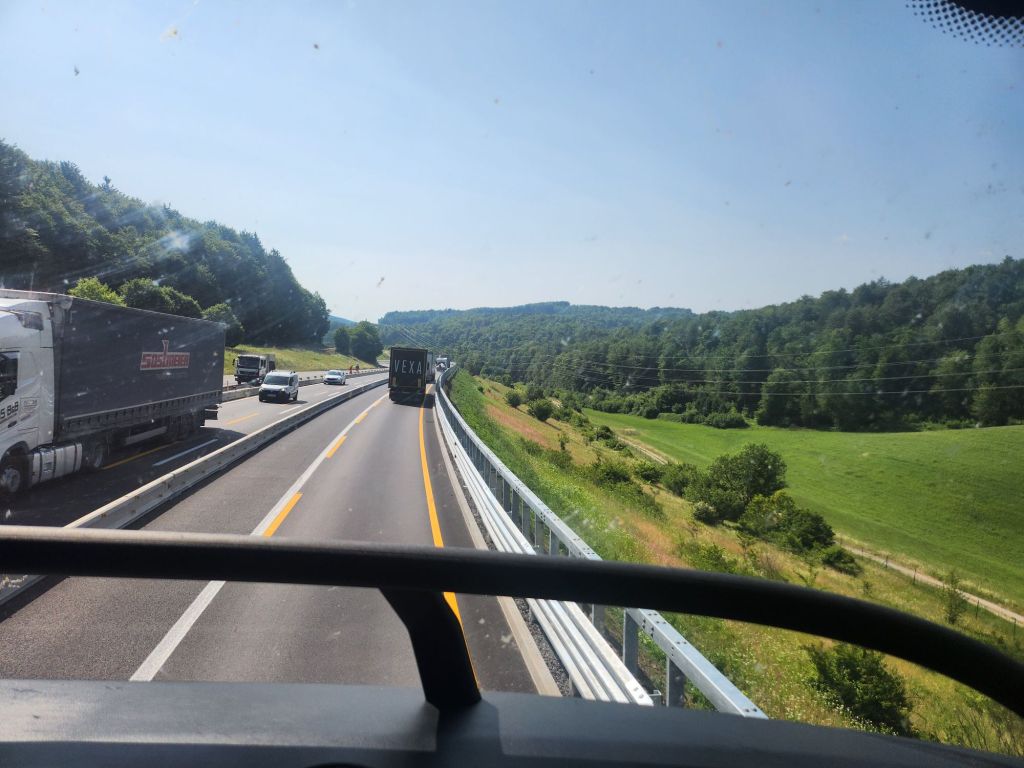
Oddly, the nearly full bus was almost entirely silent throughout the trip. When the Asian-looking guy in the next seat and I were trying to figure out the ceiling vents, he said accurately, with an accent that sounded English, “Not very effective.” I said, inaccurately since we were headed east all morning, “Well, the sun will be off us soon.” He nodded and turned away. That was my longest conversation of the day.
During the hour break in the Zagreb I had an enormous 7-euro “kebab” – excellent pita, lettuce, tomato and sauce, questionable meat. Then to Sarajevo. This part of the trip was definitely not an express — 17 scheduled stops, plus some added in to let people off in the middle of nowhere, as far as I could tell. People did talk softly on this leg.
The landscape started out like it was the first part of the trip, so I read and napped. When next I looked out the window the landscape had turned wilder.
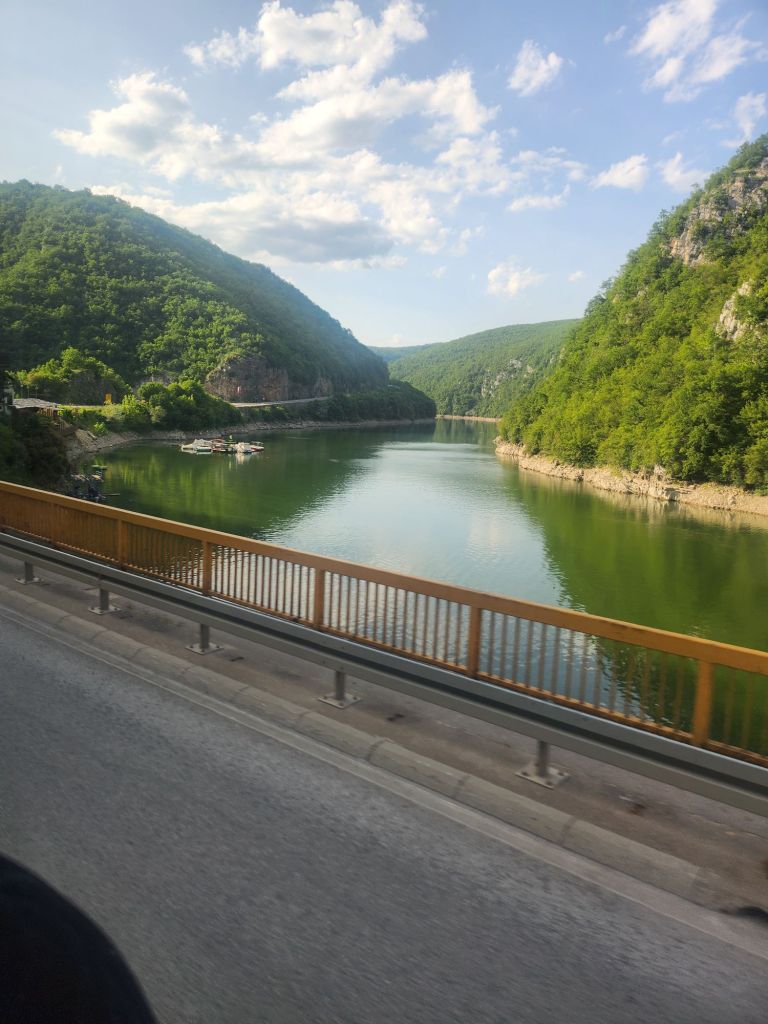
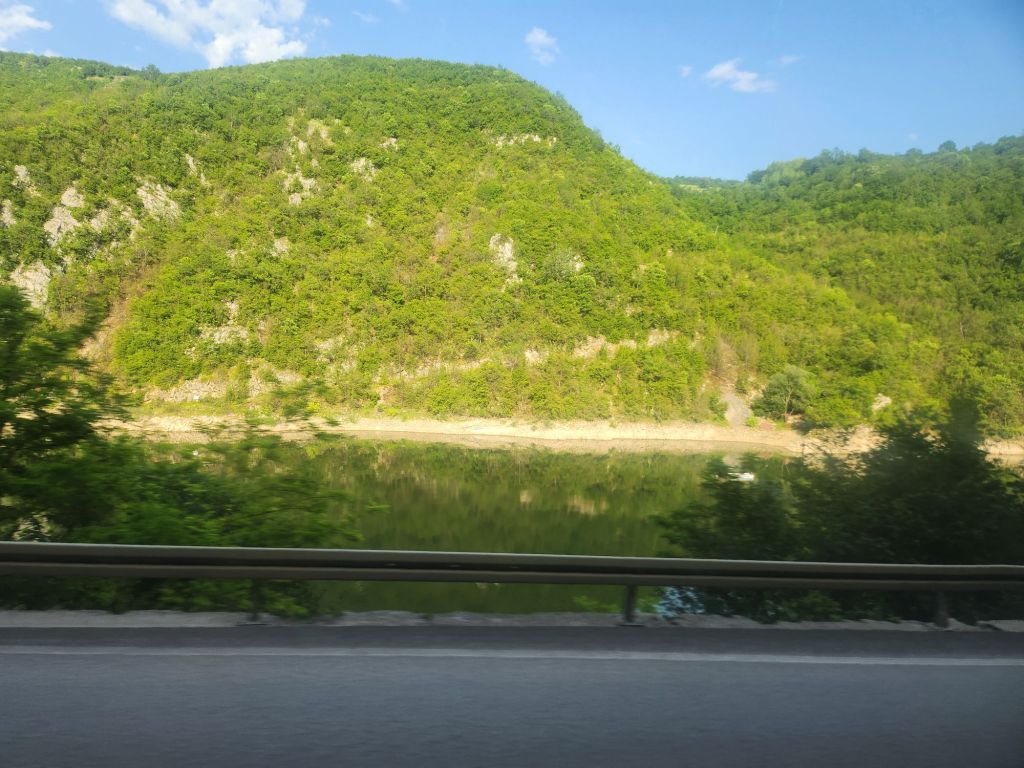
Still dotted with houses, many well kept with large vegetable gardens, others dilapidated, maybe a third abandoned. I learned the next day that some of these houses were left by residents moving to the city, but that most were left vacant by the ethnic cleansing of the nineties, their owners having either fled or been murdered.
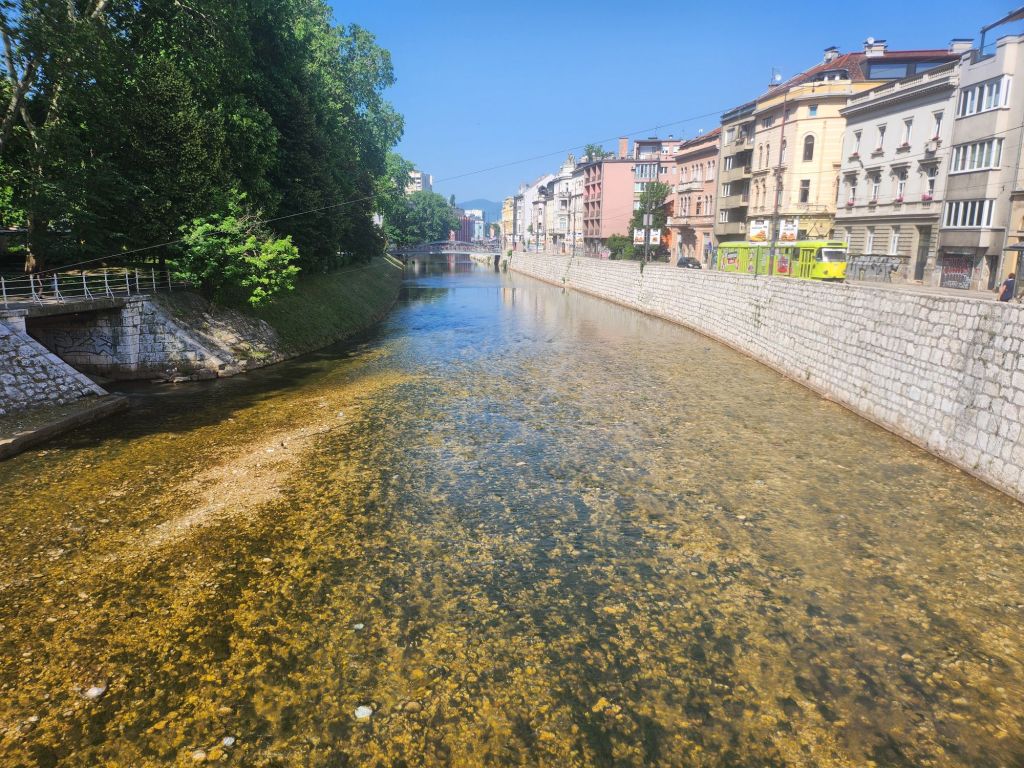
The next day I woke up very early and walked a few hundred yards to the site of the assassination of Archduke Franz Ferdinand, the heir to the throne of the Austrian Empire, by a Bosnian Serb in June 1914. The very strong desire of many Serbs to live in a single country that they dominate was a thread connecting 1914 and 1992. (Serbian can refer to a nationality – someone who lives in Serbia – or an ethnicity, e.g. a Croatian Serb or a Bosnian Serb.) The assassin, Gavril Princip, was part of a conspiracy with five other young men who were pretty inept as assassins. They stationed themselves along the parade route, a road paralleling the Milkacka River, with bombs and pistols. The first two assassins froze and did nothing. The third threw his bomb, missed, took poison which didn’t work, then threw himself in the river, which was only knee deep. The Archduke’s car understandably sped up, so the next assassins, including Princip, didn’t get a chance to do anything. Princip went to a cafe to brood. He was sitting there when the Archduke’s car mistakenly turned up the side street next to the cafe, and started to turn around. Princip came out and shot from ten feet away. His footprints and the location of the car wheels are recorded on the pavement. The place seemed undersized for the most consequential event of the 20th century — the main road, the river and the side street all seem too small.
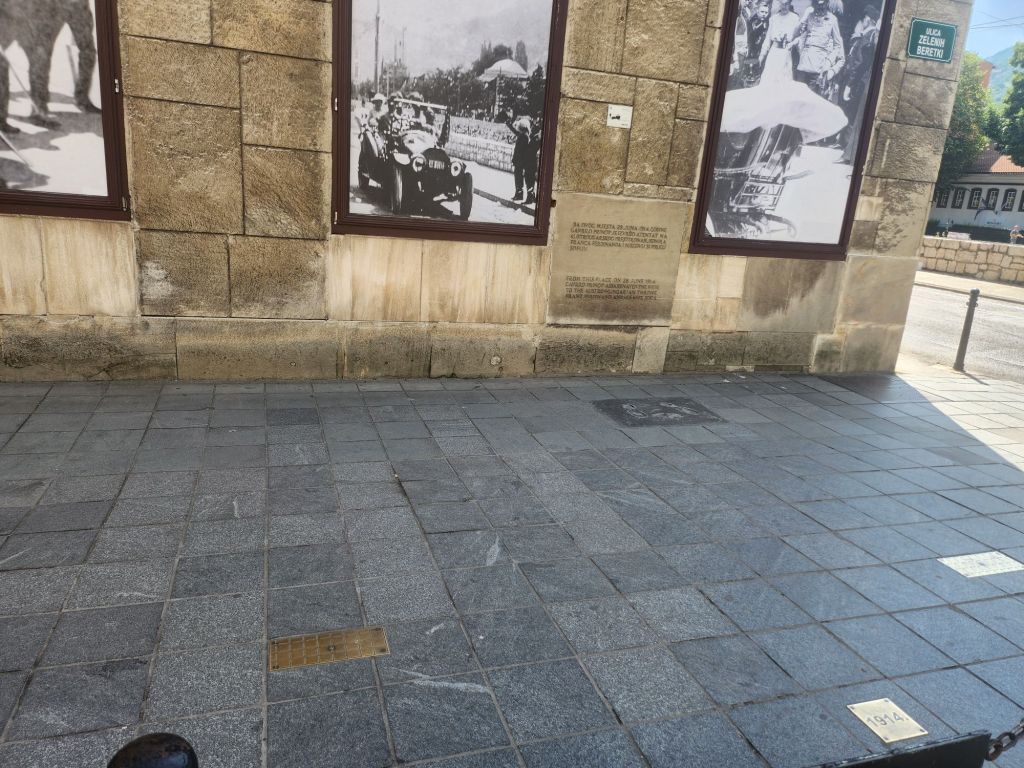

The neutrally worded plaque replaces one erected by Serb-dominated Yugoslavia, which celebrated Princip as a freedom fighter.
I joined a walking tour led by Neno, a Bosniak (Bosnian of Muslim descent) and a passionate Bosnian, committed to a multiethnic state of Bosniaks, Bosnian Serbs and Bosnian Croats. He spoke very quickly in good but heavily accented English, and started with a succinct overview of Bosnian history – four centuries of Ottoman Turkish rule, four decades under the Austrians ending with World War I, twenty years as multiethnic kingdom of Yugoslavia, World War II, 45 years of socialism under Tito and his successors, then the calamities of the nineties. He covered that war but also talked about other parts of Bosnian history, as well as food, architecture, and religion.
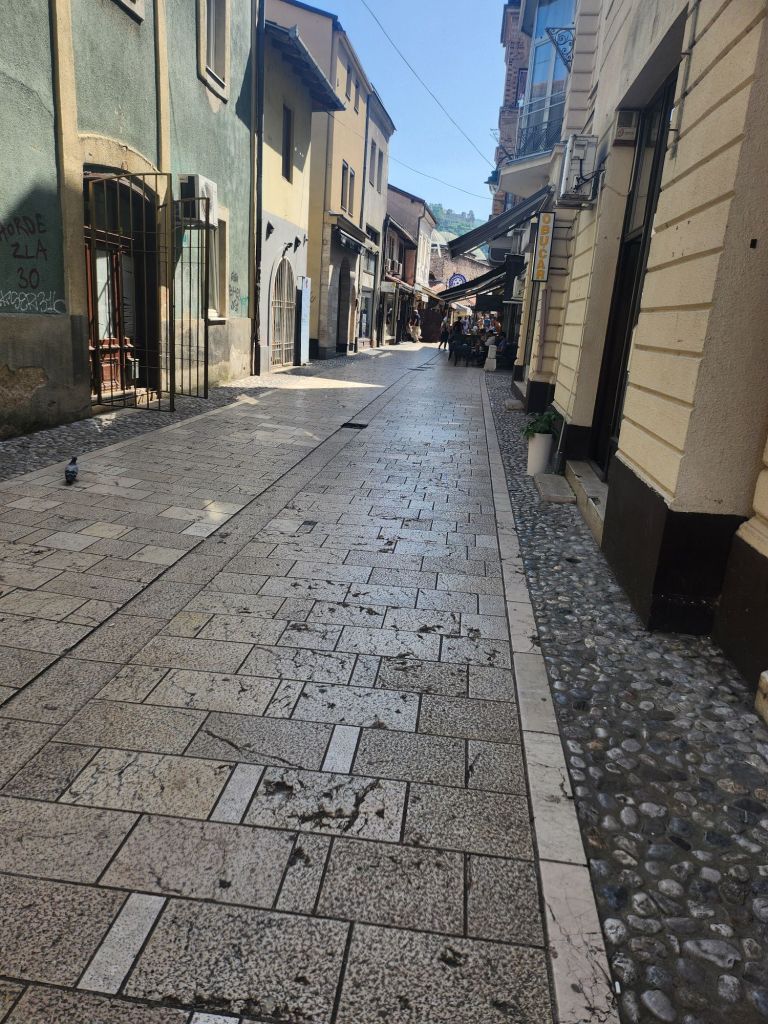
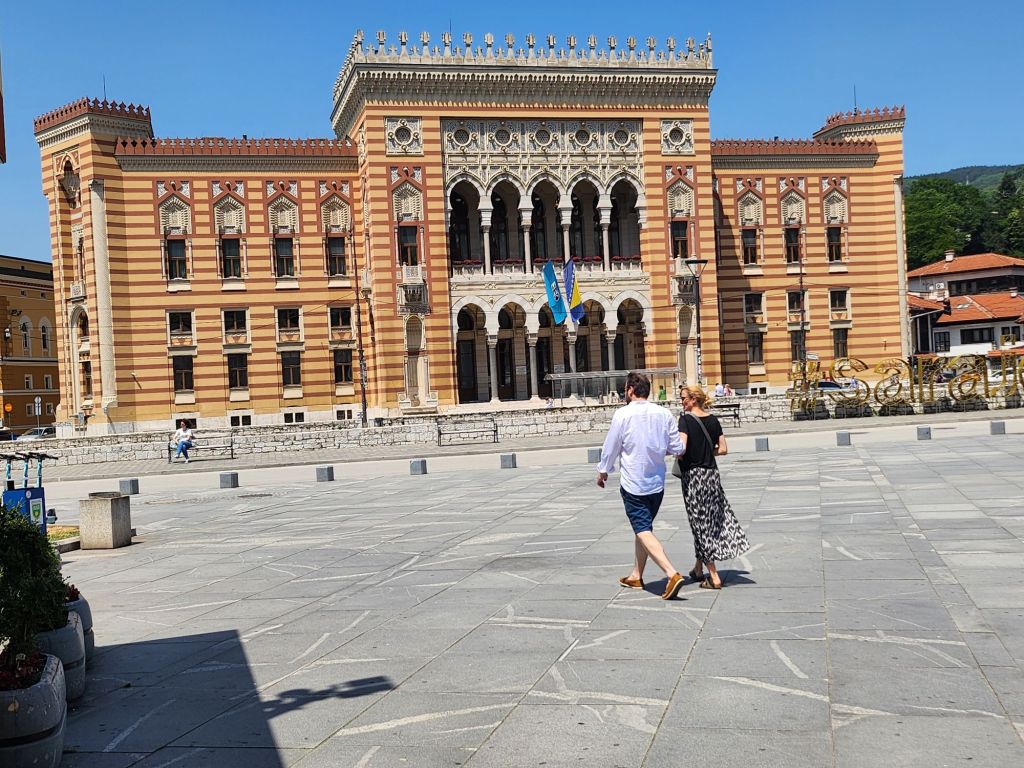
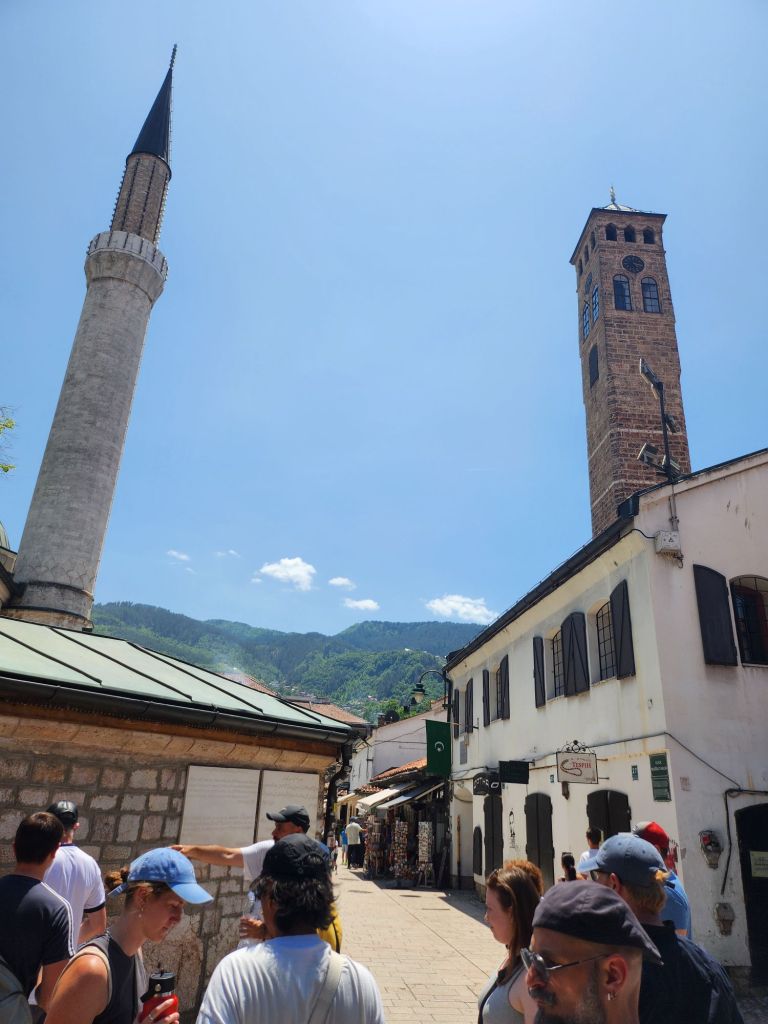
The Sarajevo Old Town is yet another large vibrant pedestrian area, but with a more Oriental, bazaar-like feel than the ones on the western part of my trip– narrower streets, low, cushioned seats at the bars and restaurants, hookah bars, minarets. The architecture is a jumble of Ottoman, Austrian, socialist, and post-1992 bombing buildings.

The town hall built by the Austrians in a Moorish style in an attempt to placate the Muslim population.
A minaret and clock tower. The clock always shows 12:00 as sundown (if sundown is in an hour it shows 11:00) so it has to be reset every day.
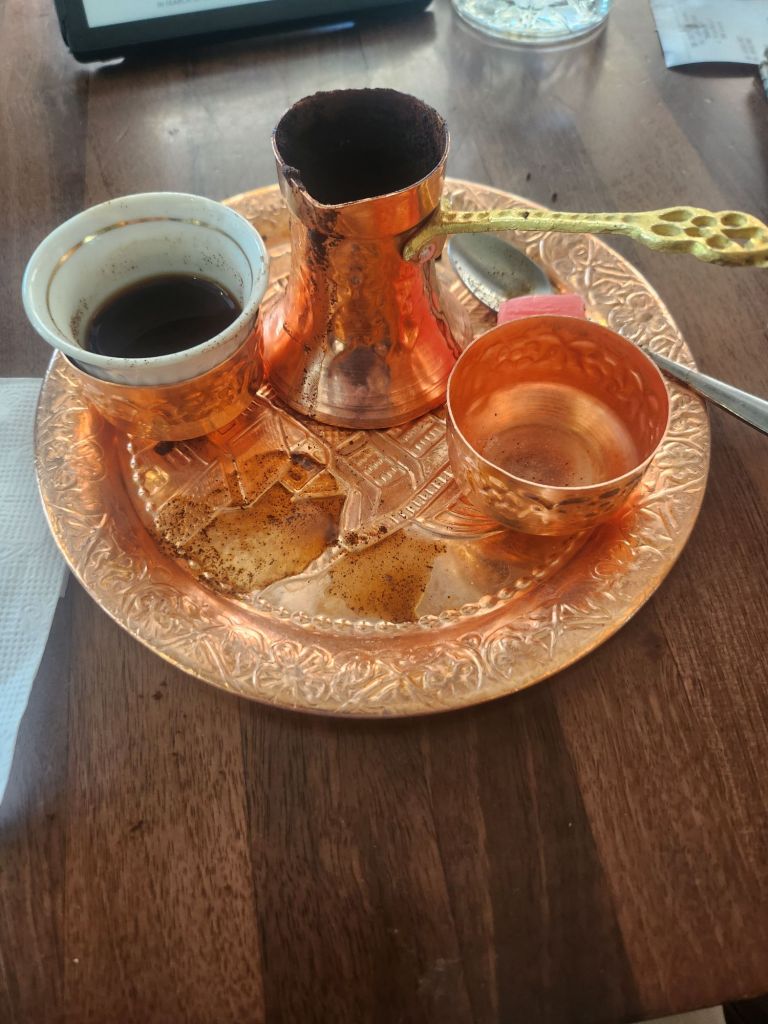
The Bosnian coffee I got one morning; very strong like Turkish coffee, but the sugar came on the side (in the brass dish).
Neno was 8 in 1992 and so endured the siege of Sarajevo that lasted more than four years. He was surprisingly lacking in bitterness. I learned more at the Museum of Crimes Against Humanity, and at the Siege of Sarajevo museum. The problem with the Serb desire to live in a Serbian state was that in 1992 the Serbian, Croatian and Muslim populations all lived all over Bosnia in varying concentrations. There were atrocities on all sides – Serb, Bosnian, Croatian – but by far the greatest and gravest war crimes were committed by the Serbs. Among the war crimes was the indiscriminate shelling and sniping of Sarajevo during a siege that lasted almost four years, longer than the siege of Leningrad. The museums covered all this in wrenching detail, with placards in English as well as Bosnian, with testimony from survivors describing the individual and collective murders. The Bosniaks hoped for Western intervention, but they got only humanitarian aid until the degree of Serb atrocities shamed Western leaders (including Bill Clinton) into military intervention. The eventual negogiated solution rejected the Serb desire for annexation by Serbia, but granted them a large degree of autonomy in areas where they predominated. (The museums covered the war from a Bosniak point of view, but that version did not differ much from Wikipedia.) Bosnia now is much more segregated than it was before the wars. Sarajevo is 80% Muslim (though only maybe 10% of the women wore headscarves, and none that I saw wore any more coverage than that).
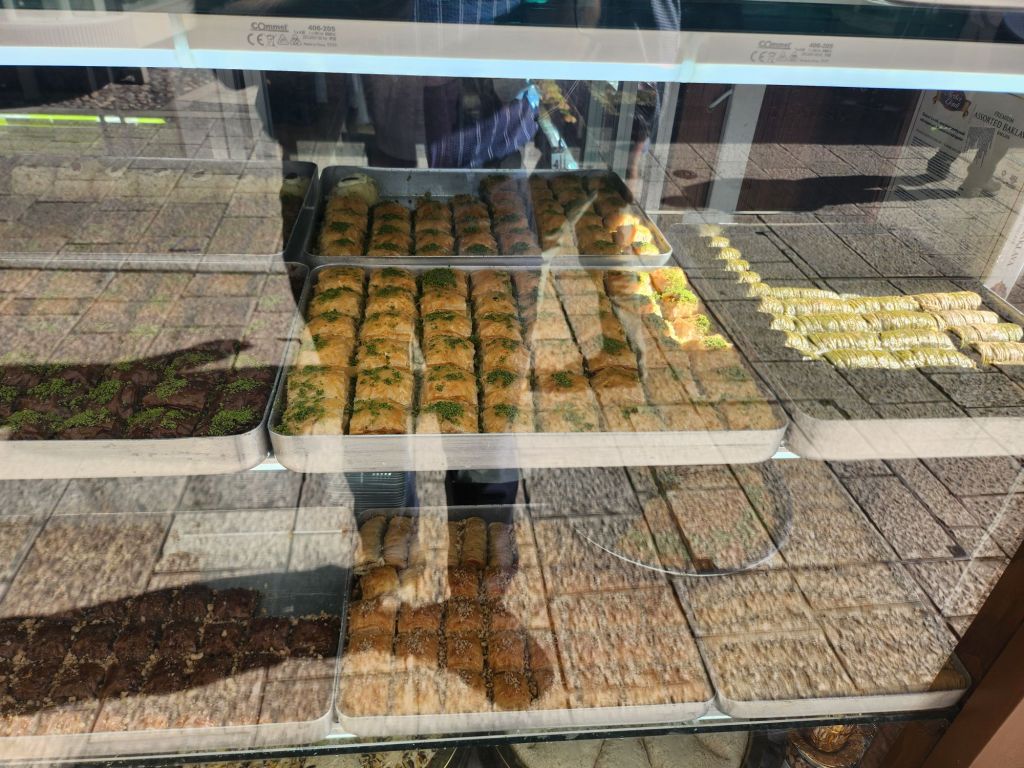
To avoid ending on that depressing note, here’s some baclava, including an image of me.
When I was planning this trip I calculated that “Ljubljana June 3-6” meant three days in Ljubljana, one to chill and do laundry, two to explore. Only on the train here did it dawn on me that I was arriving the evening of June 3 and departing the morning of June 6, and that there are only two days between those two dates. So I spent the first day exploring in the morning and evening, with laundry and rest in between.
In the morning I went to the castle overlooking the town, and, according to the audio guide, a third of the country on a clear day. I’m not sure the castle is particularly noteworthy historically or architecturally but it had an excellent museum of Slovenian history. I went in knowing virtually nothing and came out with a superficial understanding, which I guess is progress. It is far beyond me to summarize the enormously complicated historical relationship among the states that made up Yugoslavia – Serbia, Croatia, Bosnia-Herzovogina, Kosovo, Macedonia and Montenegro – much less the relationship of Yugoslavia to the rest of the Balkans, Europe and Turkey. As far as Slovenia goes, in 1991 it took the first real opportunity in its history to declare independence; after the Ten Day War it stayed out of the wars that ravaged most of the region, and has prospered since; I could not tell much of a difference economically with what I saw in Austria.
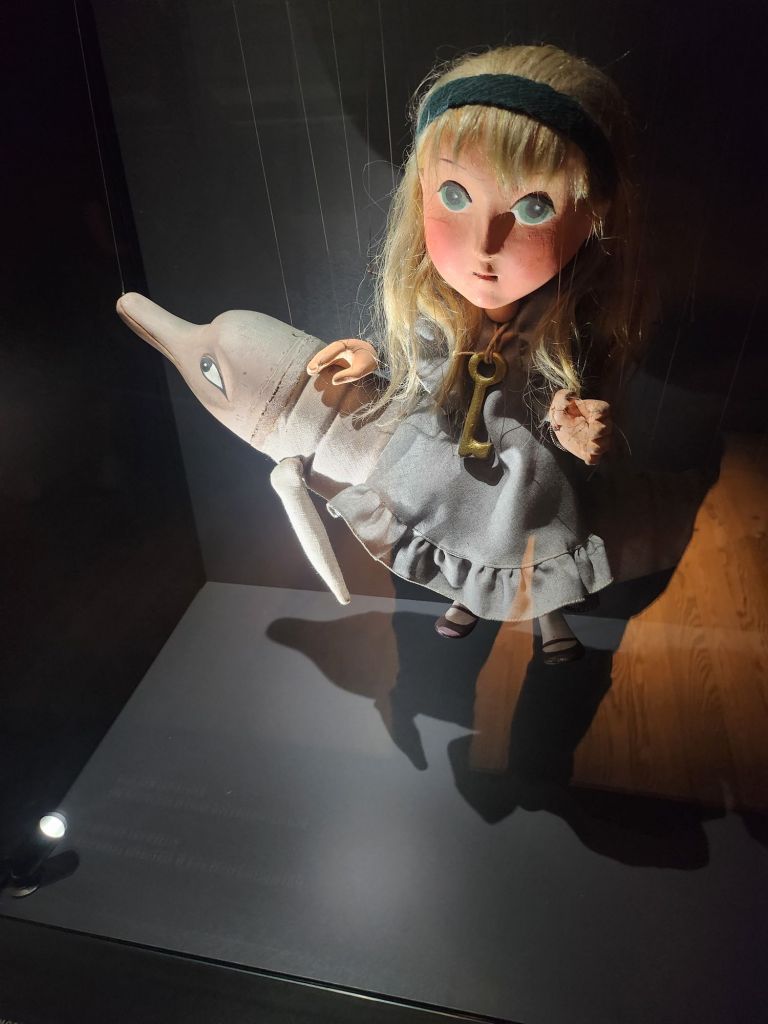
The castle also had a Museum of Puppetry, with creepy dolls.
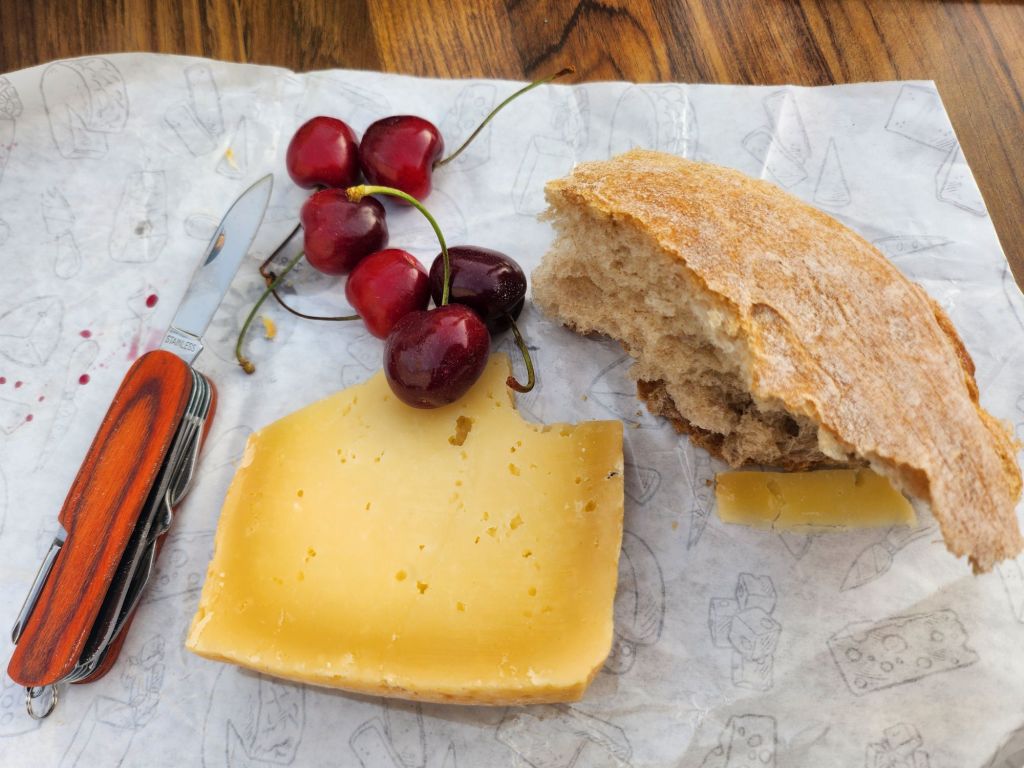
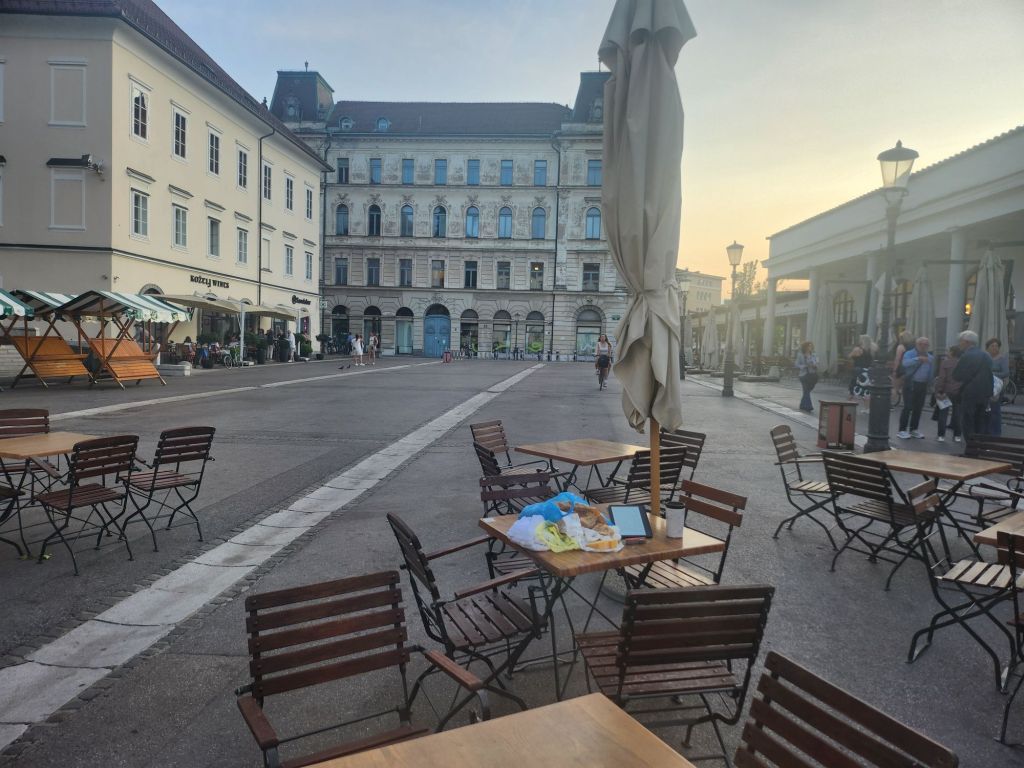
The relatively small central section of Ljubljana is neat and pretty and vibrant; lots of pedestrian areas, lots of busy sidewalk cafes. On my way back from the castle I stopped in the street market for fruit, bread cheese, wine, and a pocketknife. In the evening, after laundry, I picnicked in one of the less populated squares (the wine camouflaged in a coffee mug because I wasn’t sure of the open container laws). The experience was marred only by a nearby restaurant speaker blaring mediocre American rock – “Two Tickets to Paradise.”
A still life of my picnic.
The square.
My second day I went by train and bus to Lake Bled, which is routinely described as magical and out of a fairy tale. At first I was not particularly impressed; the view was pretty but on the first section of the walk around the lake the road is right next to the footpath. But it grew on me once I entered the park that covers most of the shore, and even more when I made the steep climb to the castle perched on the rock high above the lake.
The walk I routinely go in Kailua, on Keolu Loop around Enchanted Lake, is 2.9 miles. The walk around Lake Bled is just under four miles, which seems impossible to me. Equally unlikely is the fact the tiny island is the only island in all of Slovenia.
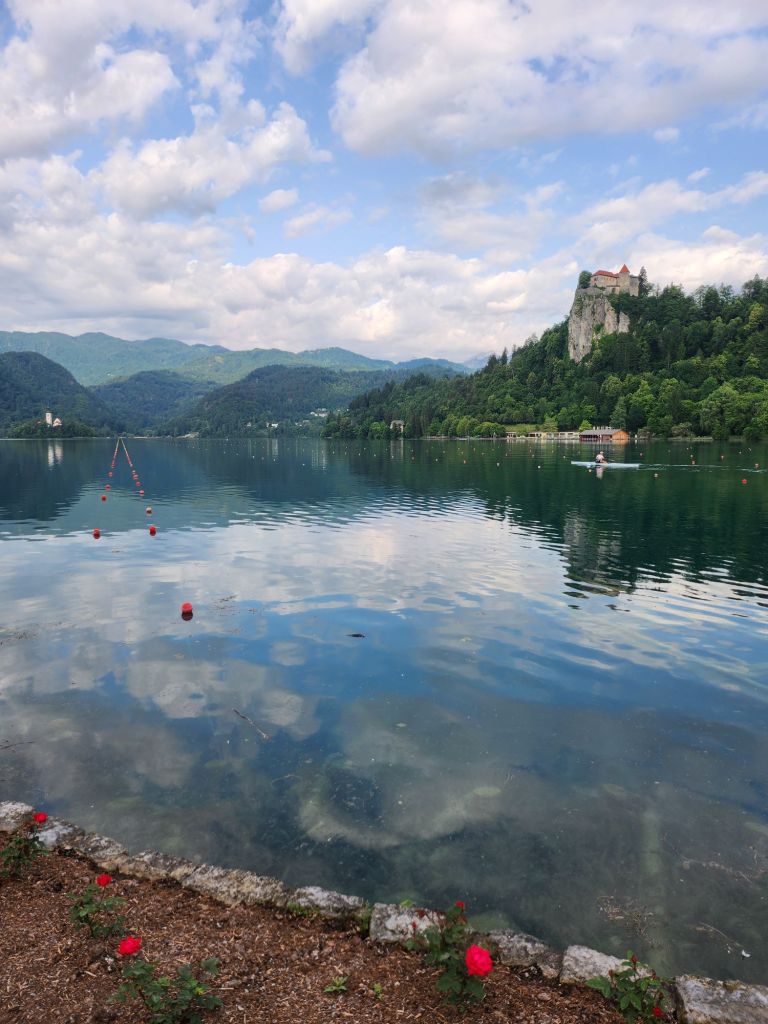


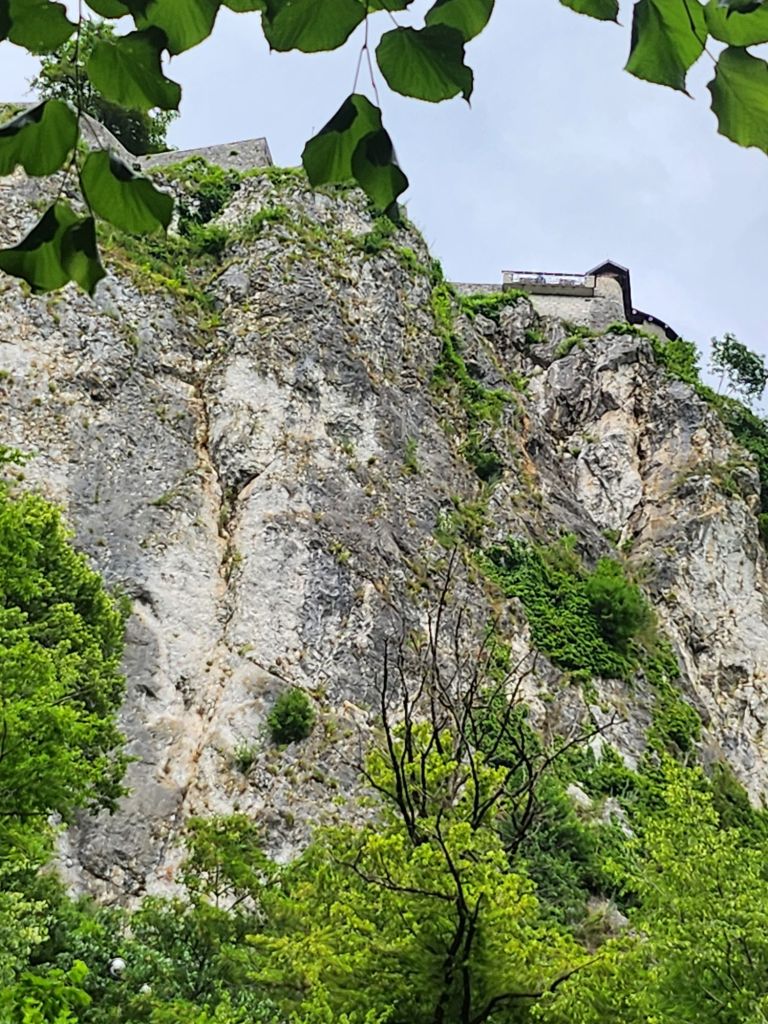

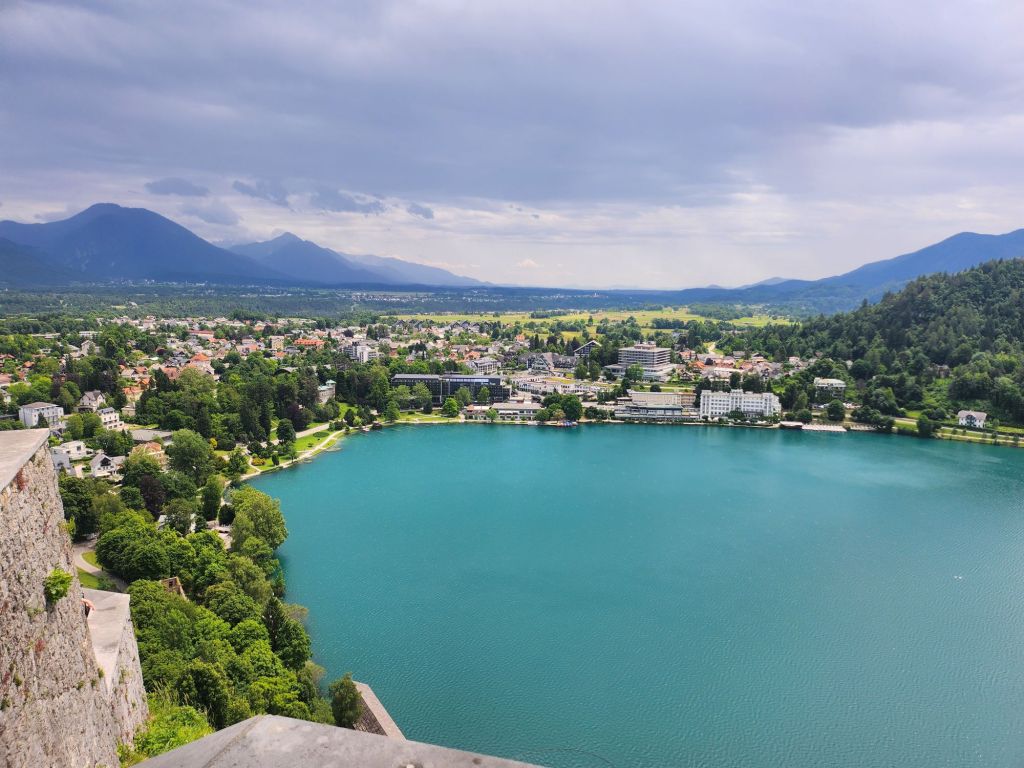
I returned to Ljubljana for an excellent dinner of goulash and dumplings.
I spent a very pleasant half day in Paris, wandering near the Gare de Lyon train station and reading in the cool shade in the Jardine des Plantes.
The train from Paris to Zurich was uneventful. I was tired when I got to my Zurich hotel, but I perked up when the clerk told me that breakfast the next day included four types of hot chocolate. As you can imagine, I barely slept. When I got down to breakfast, I found that the hot chocolate was powdered, in packets.
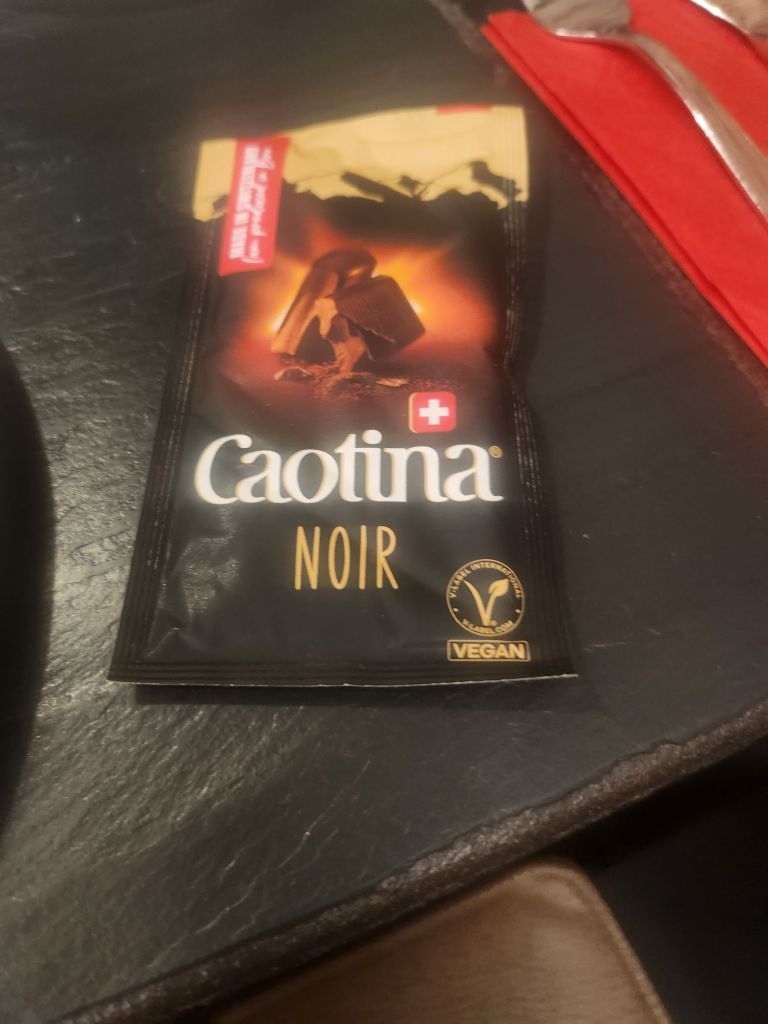
Shameful.
The next day my 12 hour itinerary consisted mainly of Austrian Alpine towns I had never heard of. Zurich to Bischshofen to Spittal (by bus because the rail line is out) to Villach. Then finally to Ljubljana. I am embarrassed to admit I never heard of it either until a couple of months ago when a knowledgeable friend recommended I go there instead of Belgrade due to the unstable political situation there.
On one of the legs of the train journey, out of boredom I tested Google translate to eavesdrop on the loud conversation in German from the next row on the train. Because of the train noise and the overlapping voices it missed a lot. Or so I assume:
Driven cool The horny mother You know it’s interesting to you, hello Micha. Yes, if you then even rough enough for me. If you really started getting angry I met you.
One hundred percent delete for What is the roots Sorry for keeping me busy. But before I looked bad no matter. But probably not that often with you, yes, to write all alone. Zucchini Maze When are you there? You’re still yes, but we just have to have a different collection. It’s crazy when you explain it. Today we are overtaking with a car that was just built in Düsseldorf. cake
The horny mother, Dusseldorf. cake, and especially Zucchini Maze are all good band names.
The views out the window were less spectacular, more civilized versions of the Rockies. I was not in the heart of the Alps, but I really don’t have a good sense of my route. I never felt like I got a good picture.
We arrived in Rouen the day after the 594th anniversary of the martyrdom of Joan of Arc. We went to a Joan of Arc multimedia “experience.” It was set up in the Bishop’s Palace that was the site of her 1431 trial in which she was found guilty of heresy. You move from room to room watching projections of actors reenacting the 1455 reconsideration of the verdict against her – apparently complete transcripts survive of both the original trial and the reconsideration. The production seemed somehow to desecrate an historic place in a way that a museum display would not. And, most of the reenacted scenes were of men yelling at one another about the facts and proper procedures. As a lawyer I guess I should have appreciated that more but it was basically just unpleasant.
I have to note that the reconsideration – basically an appeal – violated modern appellate rules. Instead of confining themselves to the record of the first trial, the judges took new testimony, and even questioned the judges in that trial. They did exonerate her,but I’m not sure how much good it did her considering she had been executed 24 years earlier. Although she was accused of all kinds of things, the charge on which most of the judges in the first trial agreed was that she insisted on wearing men’s clothing.
Rouen is another beautiful place, with a large central pedestrian area that mixes medieval buildings with later ones, especially ones replacing buildings destroyed in the war. All these were taken within 100 feet of my hotel, in the morning before the crowds swarmed.
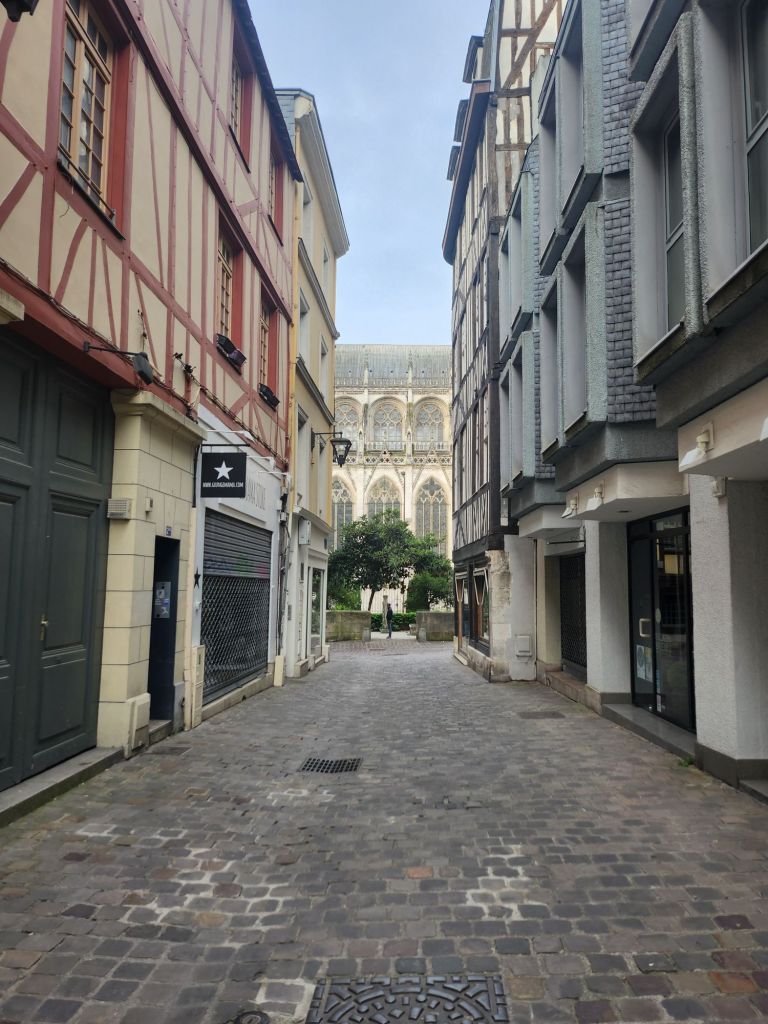
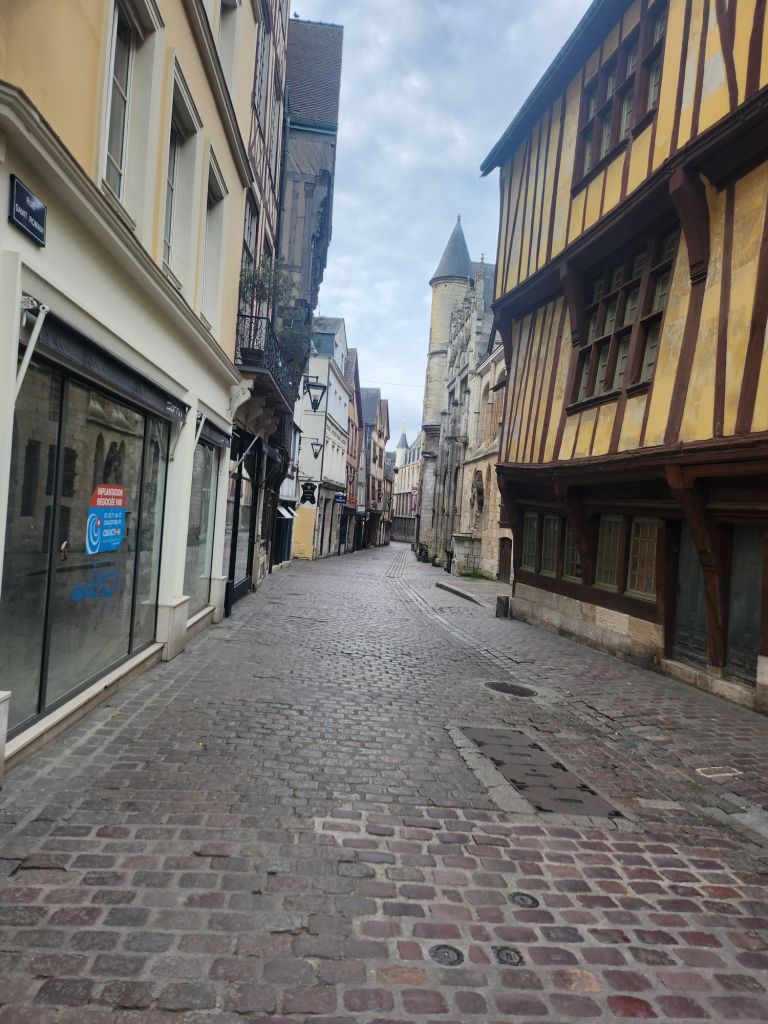
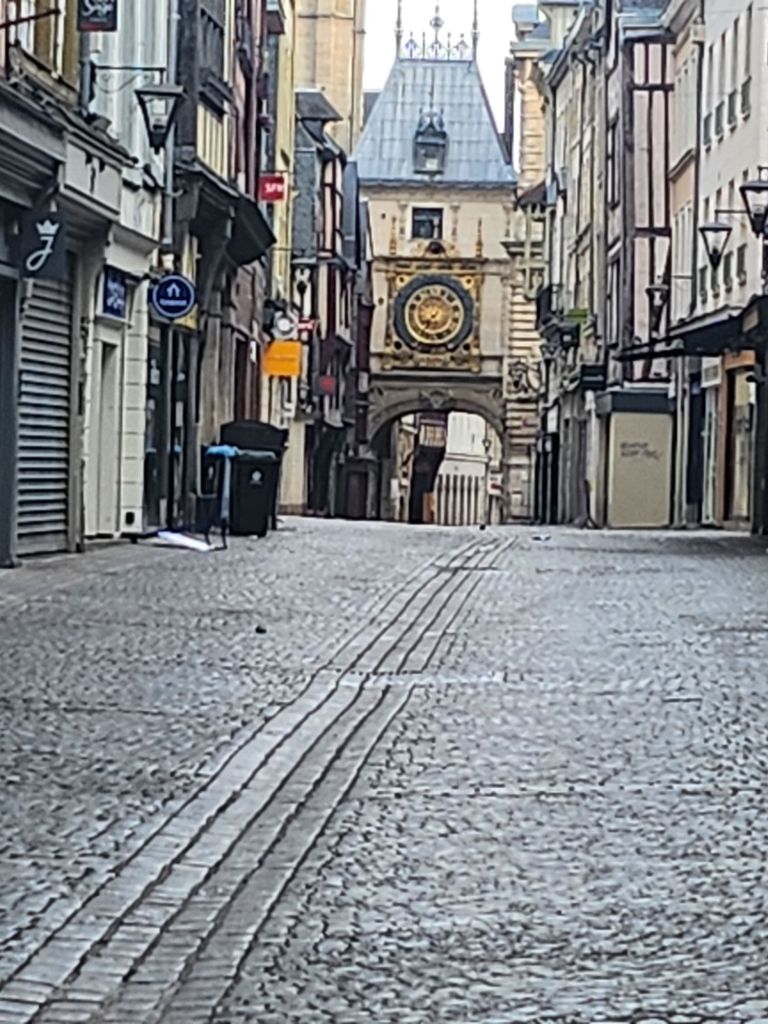
Charming as it looks the stores didn’t seem much different from Ala Moana.
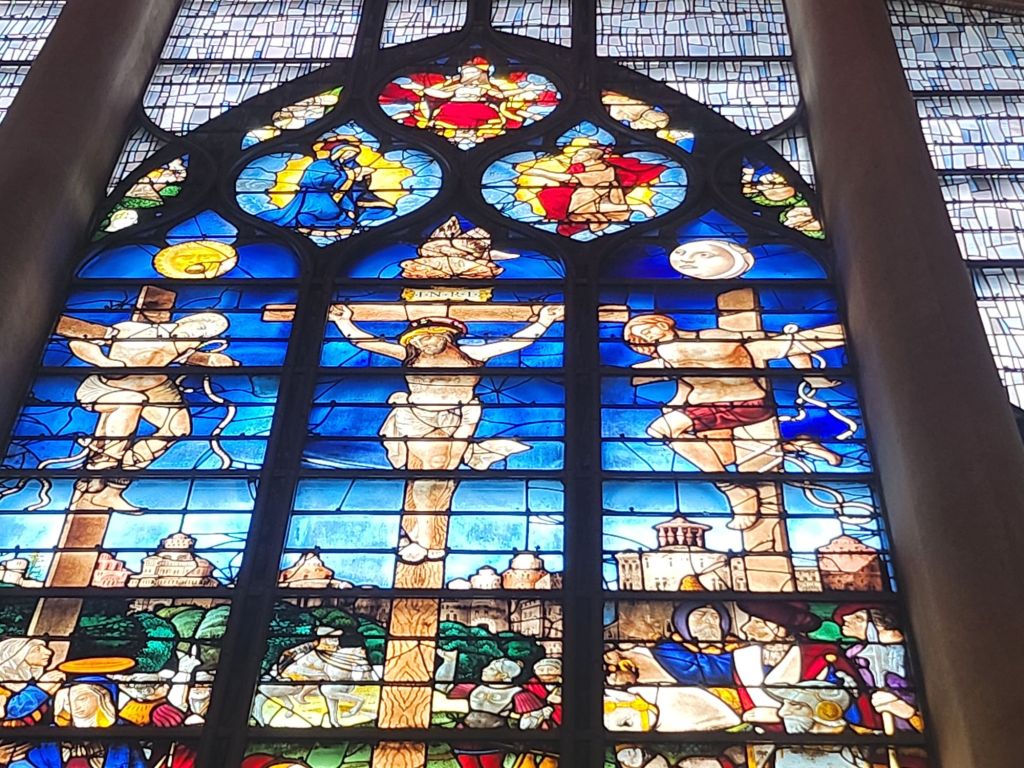
One of the buildings destroyed in the war was the church at the square where Joan was martyred (i.e. burned – our British guide emphasized that it was actually the Burgundians, not the Brits, who executed her). But the townspeople had the foresight to remove the 14th century stained glass when the war started. They reinstalled it in a new church after the war. I like the expression of this Roman soldier torturing a Christian martyr.

And the personality of the sun and moon.
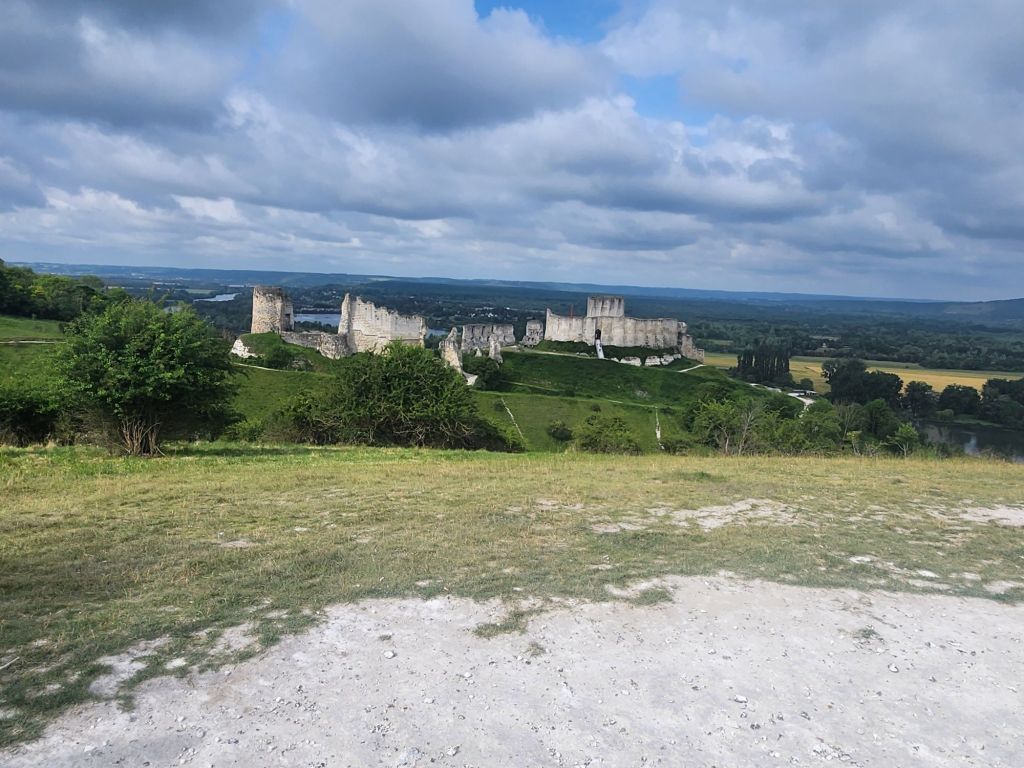
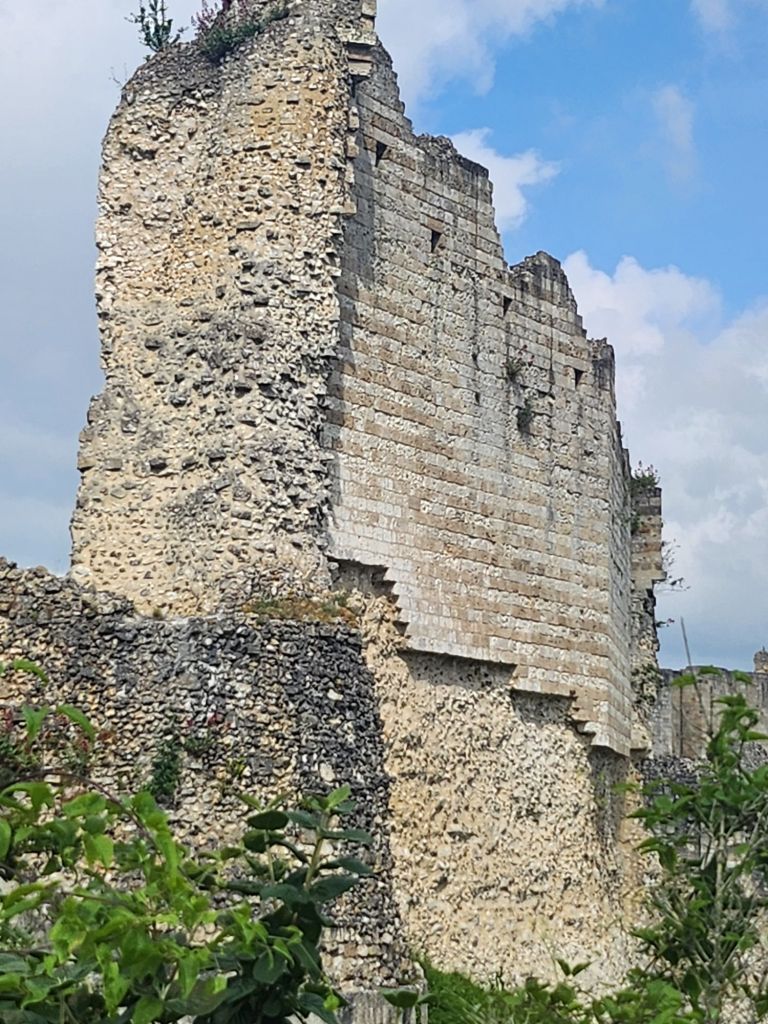
On the way from Rouen to Paris we stopped at a castle built by Richard the Lion Heart in the late 12th century. Although the French took it in a siege, the damage is from nearby villagers using it as a convenient source of cut stone.
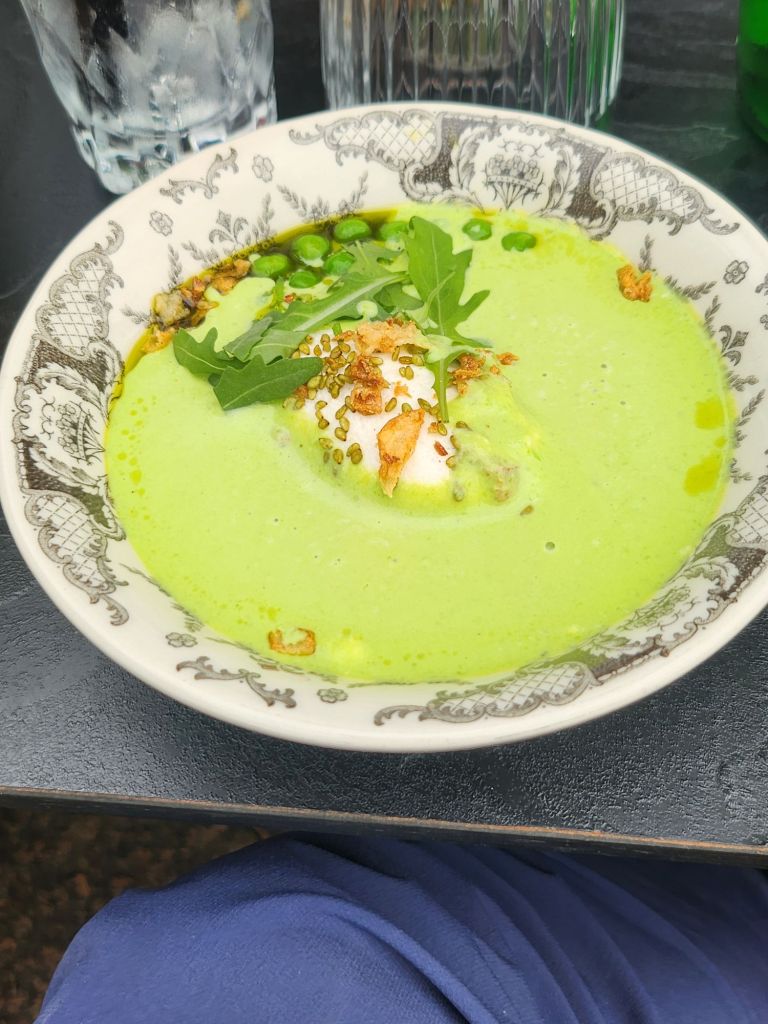
We also stopped at the Claude Monet house in Giverney. It’s been photographed (and painted, obviously) to death so the only picture I will post is of my beautiful and delicious cold pea and mint soup.
Someone in the comments asked for a selfie.
 helperblog